Origins 4.1 – The latest functions

Origins4.1_update

ORIGINS 4.1 – THE LATEST FUNCTIONS

Origins 4.1 – The latest functions

Discover all-new functions in the latest 4.1 Origins Release! 

Due to our constant development and the inspiring feedback from our users, PointCab Origins 4.1 comes with many new functionalities and enhancements. Check out the new functions below.

NEW FUNCTIONS

Polygon editor for area-based tools

What it’s for?
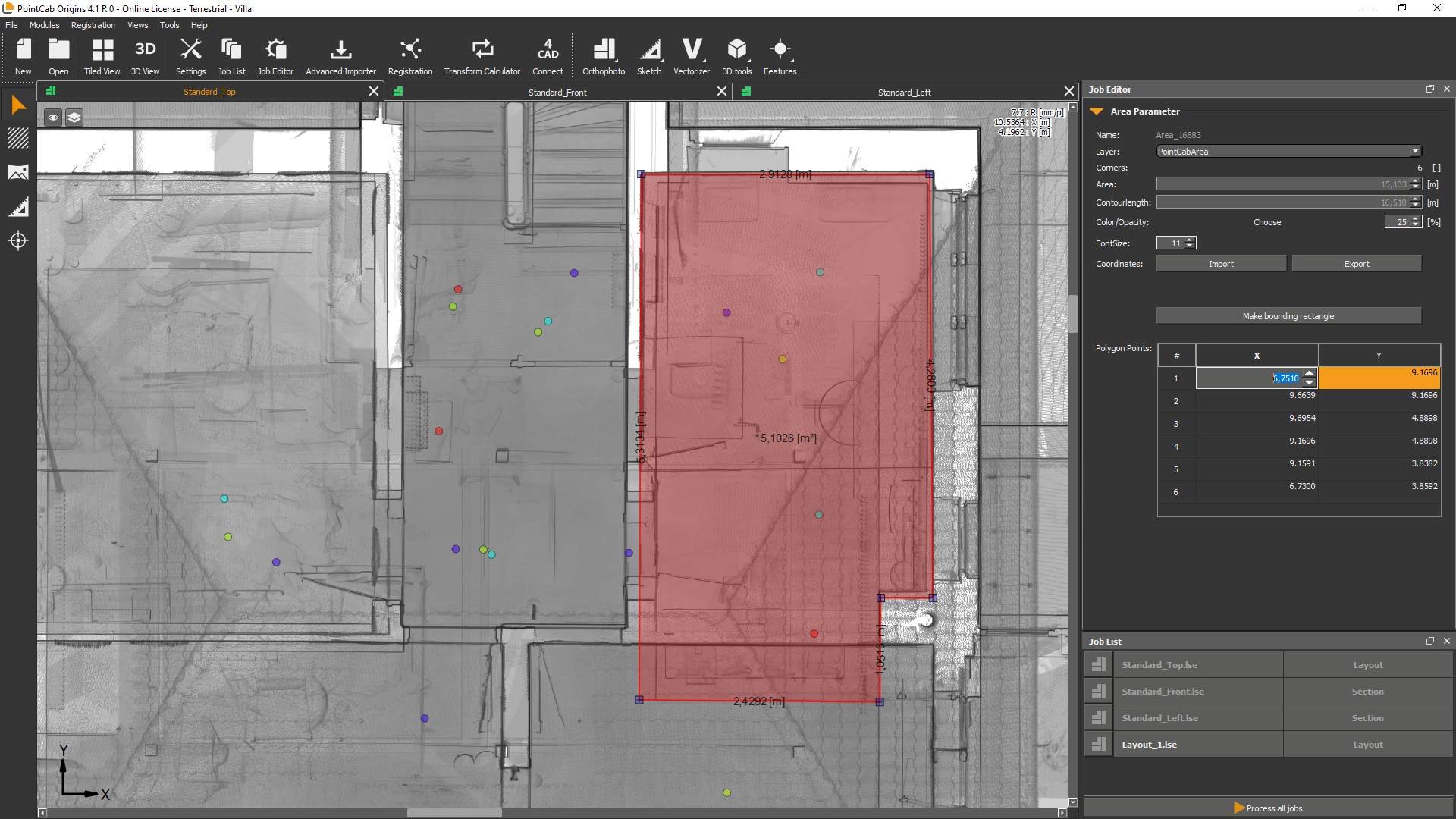
View and edit the coordinates of your polygon points in the job editor!

How it’s done:
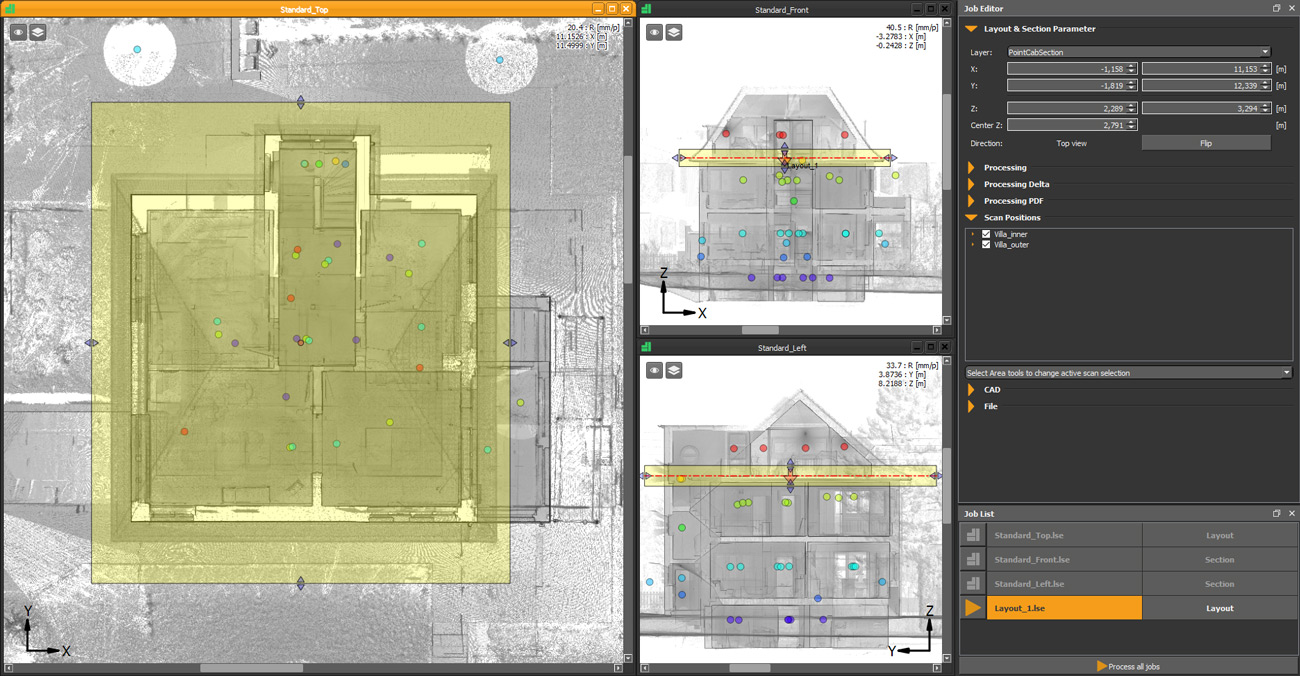
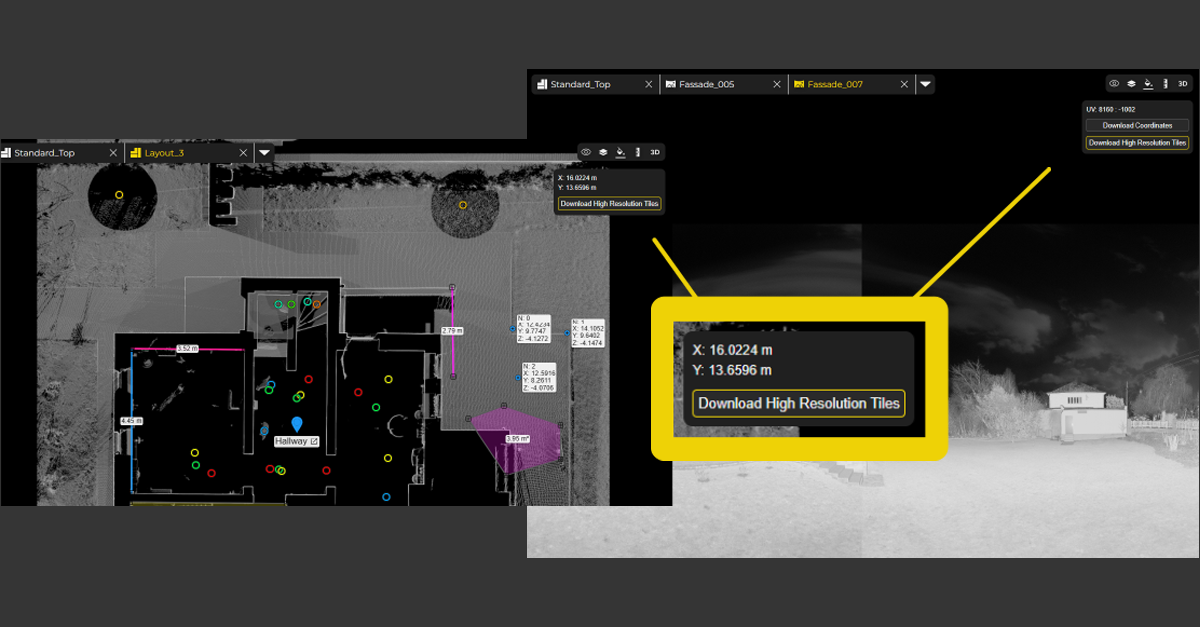
When creating a surface the coordinates of the polygon points appear in the job editor and can be adjusted there. This affects all functions of the area tool and all functions that are related to areas: Merger, point cloud export, volume, and mesh.

Polygon editor for area-based tools
Click to enlarge the image

Export origin point of sections in .dwg (customer request) 💡

Export origin point of sections in .dwg
Click to enlarge the image

What it’s for?
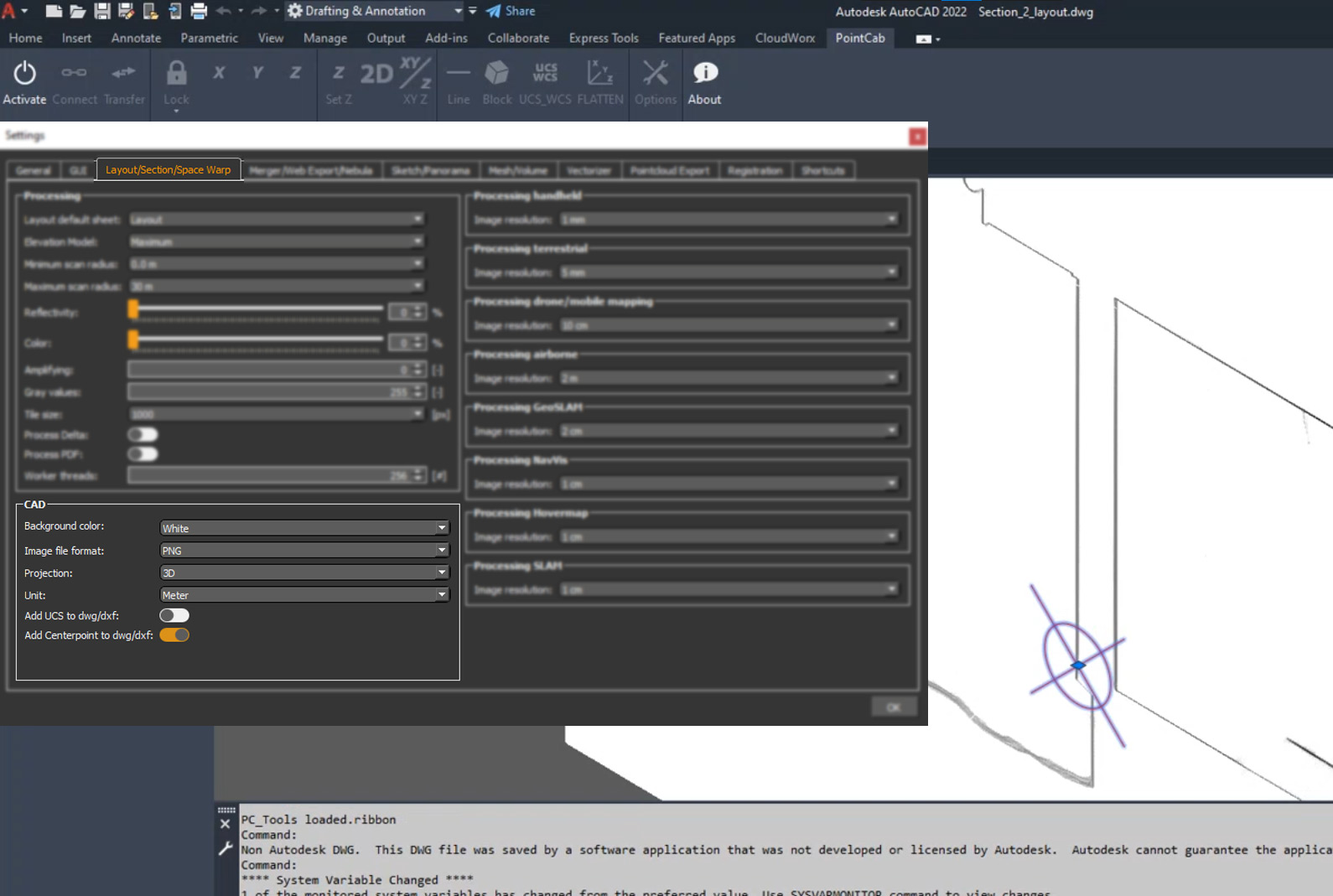
When exporting a section, the center of the section is exported as an additional CAD element called “origin point”. This way the reference point is preserved and you are quickly able to restore it, in case you need it. (A crosshair will be displayed in AutoCAD)

How it’s done:
Go to Layout & Section Tool > Create Section > Settings > Layout/Section/Space Warp > CAD > Activate “Add Centerpoint to dwg/dxf” under “Option”.

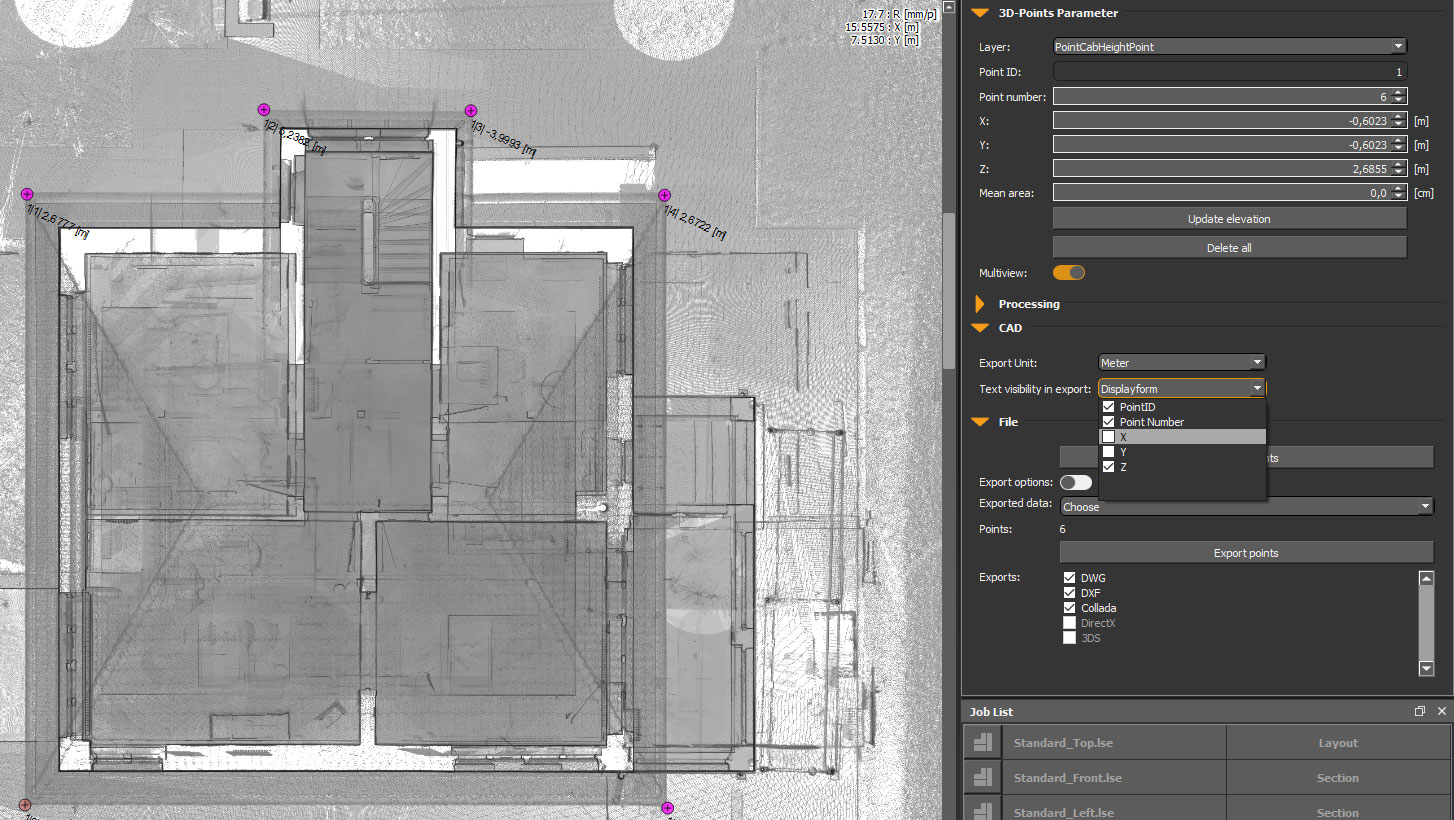
Customized 3D Point export to .dwg

What it’s for?
Now you can choose your preferred data format for exporting points to .dwg!

How it’s done:
In the Job Editor under “CAD” you can now find the “Text visibility in Export”. Here you can define where PointID, Point Number, and X, Y, Z information shall be exported to. When the 3D points are exported, the corresponding folder opens directly. Therefore right-clicking “show in folder” is no longer necessary. In the .dwg file, the selected information will be displayed next to the point. The same functionality is also available under the “File” tab in the Job Editor.

Customized 3D Point export to .dwg
Click to enlarge the image

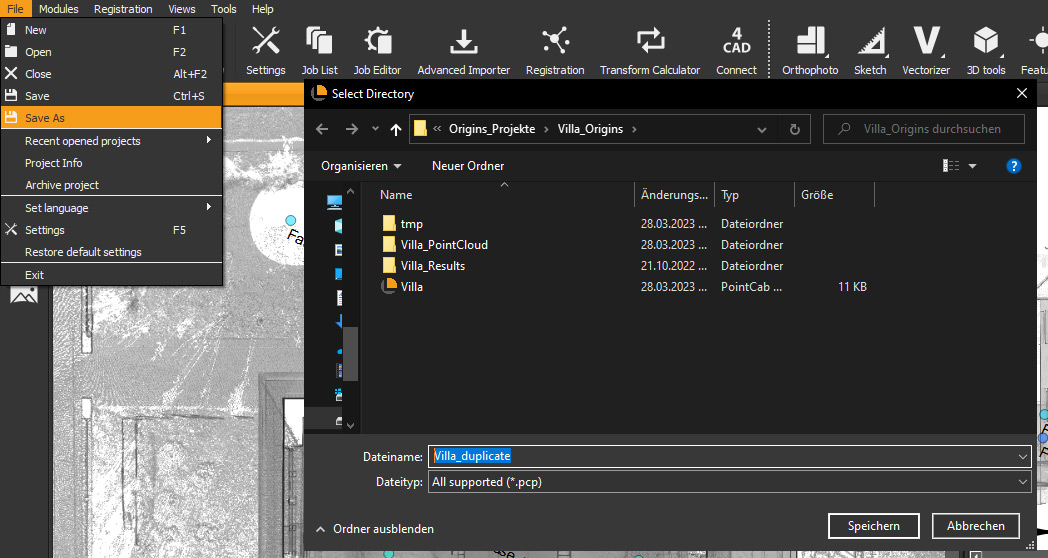
“Save as” Functionality to .pcp (PointCab Project)

“Save as” Functionality to .pcp (PointCab Project)
Click to enlarge the image

What it’s for?
Finally, a new way to duplicate your project! Previously, you could only archive a project and then had to pack and unpack it again… These times are finally over!

How it’s done:
Just go to File > Save As: Origins saves a copy of your current project state in the background. Isn’t that great?

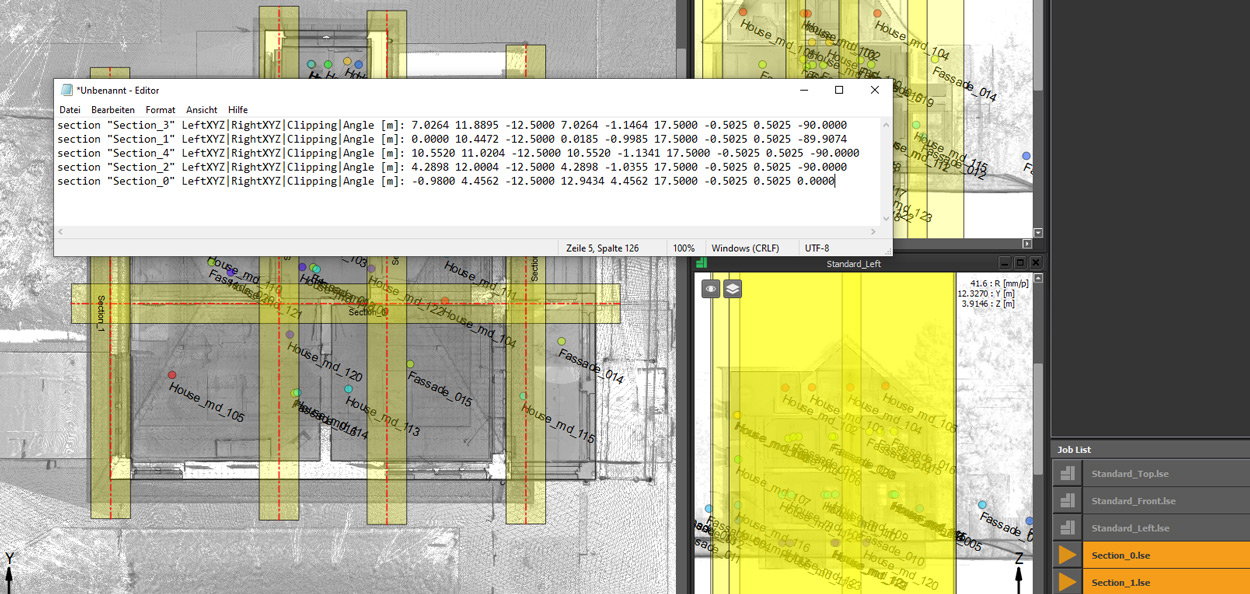
Export Orthophotos position (customer request) 💡

What it’s for?
Export the positions of several layouts with ease!

How it’s done:
Select all your layouts with the selection arrow or Ctrl + A, then copy them with Ctrl + C and simply paste them into your text editor. You will easily get all layouts with name and order Lefthandle | Righthandle | Center, as well as all 3D points.

Export Orthophotos position
Click to enlarge the image

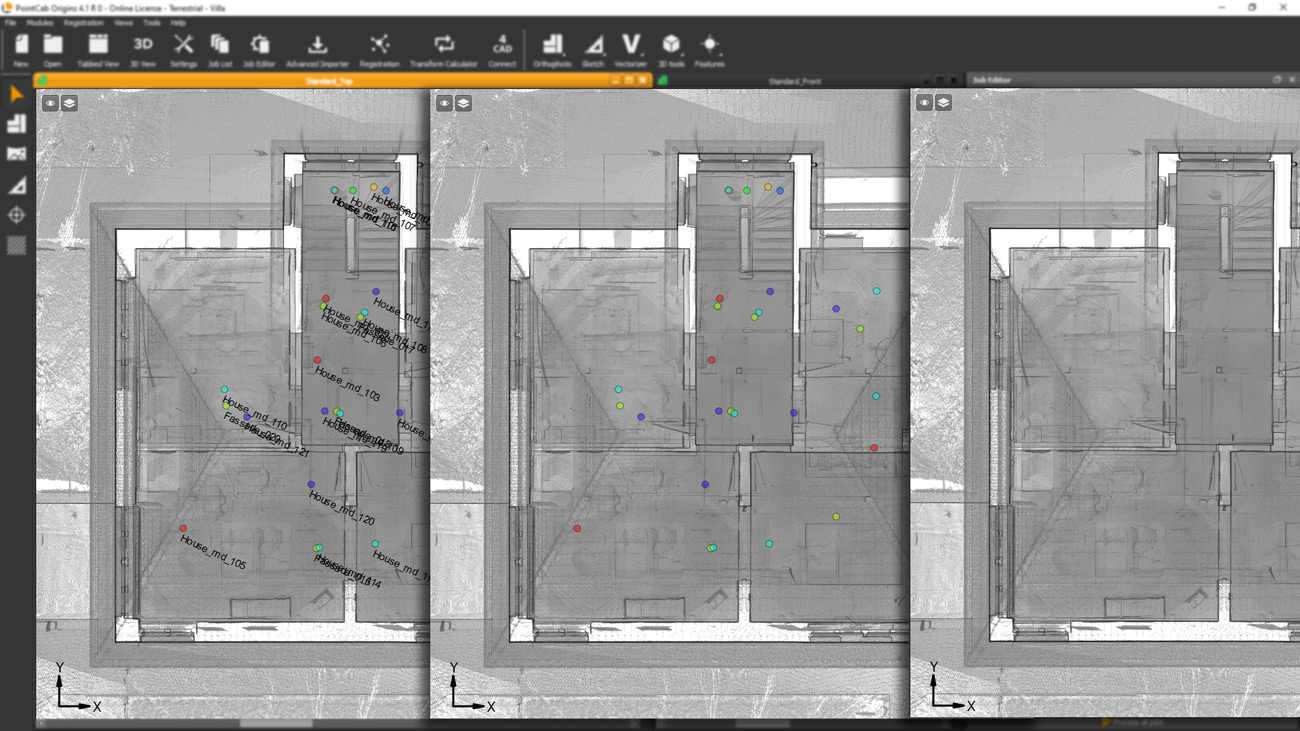
Toggle on/off names of Panoramas

Toggle on/off names of Panoramas
Click to enlarge the image

What it’s for?
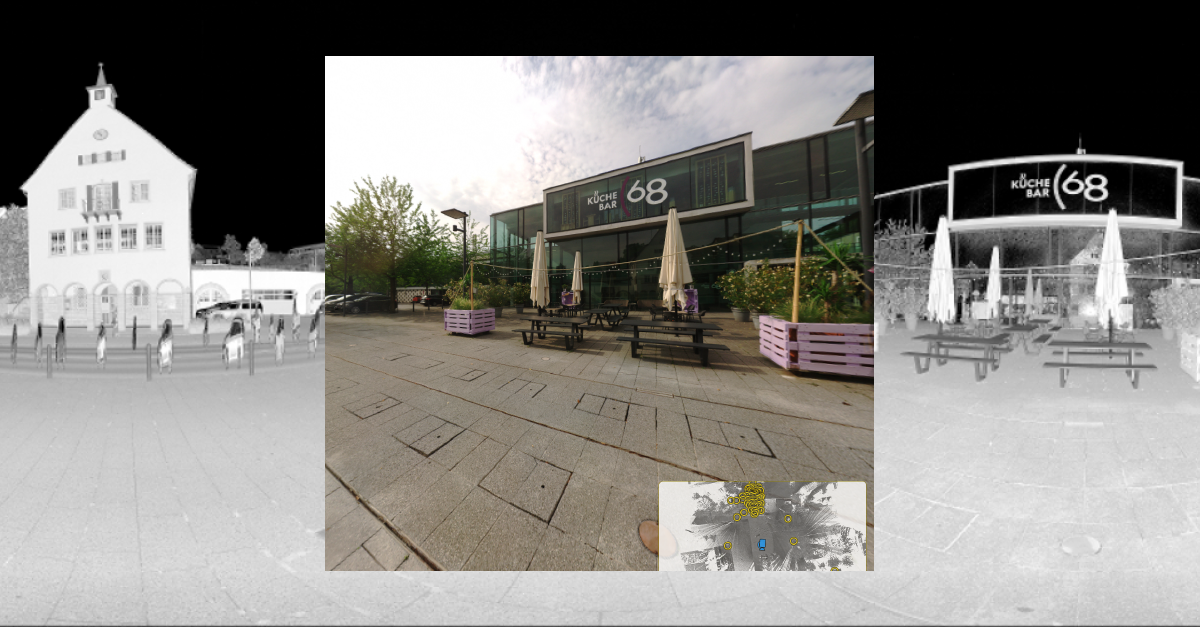
Finally a clearer display of panoramas – due to a third option!

How it’s done:
The names and positions of the panoramas can easily be hidden by pressing the “P” key. We love the new feature, try it out yourself right now!

Sections with enhanced reflectivity

What it’s for?
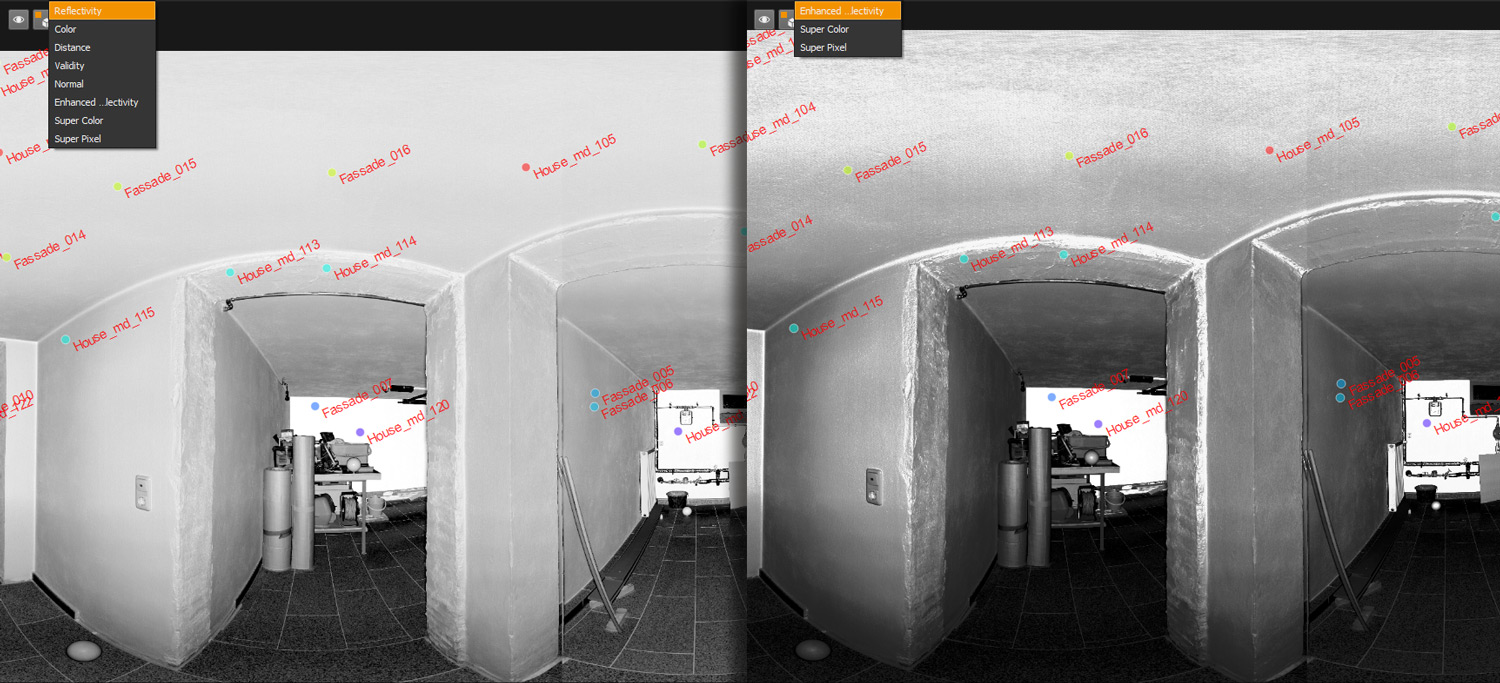
The new option enhances the reflectivity in your panoramas and in sections!

How it’s done:
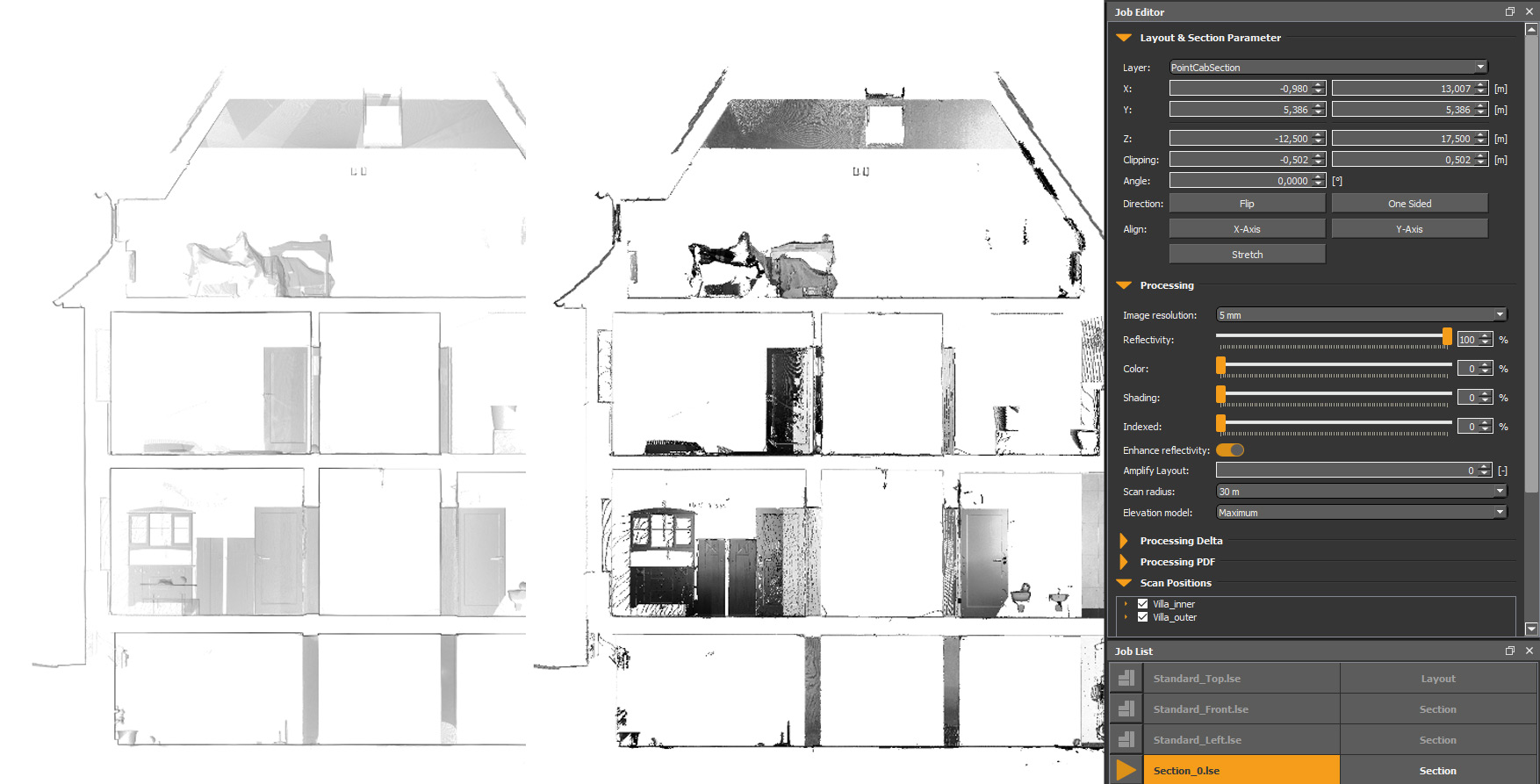
In the panoramas, there is a new sheet that enhances reflectivity. If the “Enhanced reflectivity” slider is checked, the reflectivity will be displayed with increased contrast. To use it for sections just create a new one and set the reflectivity to 100% in the Job Editor under “Processing” and activate the slider for “Enhanced Reflectivity”. Now calculate your job and the sheet with “Enhanced Reflectivity” is available. Lookin’ good, isn’t it?

Click to enlarge the picture

Export all panoramas in different file formats

Export all panoramas in different file formats
Click to enlarge the image

What it’s for?
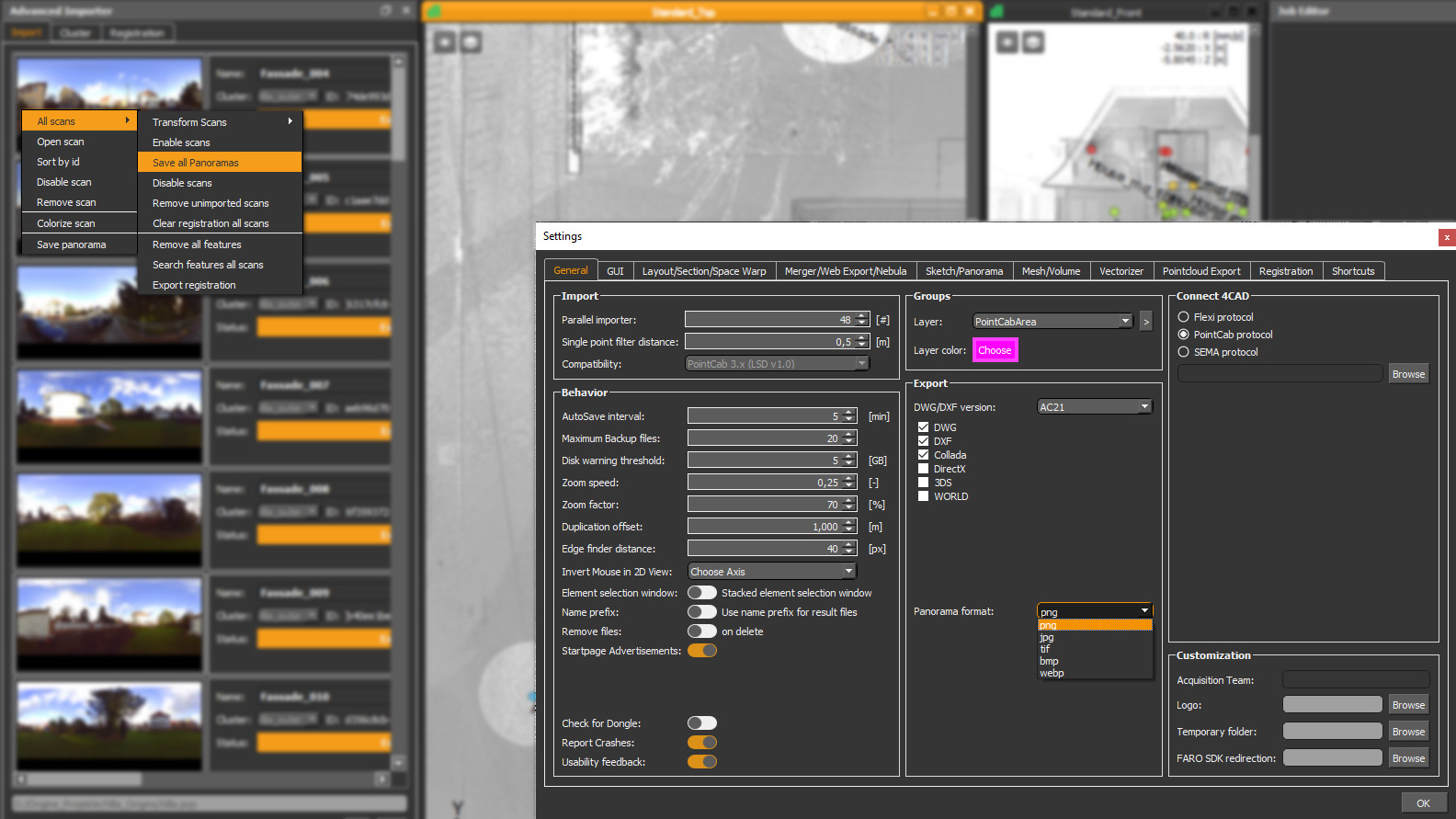
This new option helps you to convert your panoramas into your desired image file format. You can choose between png, jpg, tif, bmp, webp

How it’s done:
Before exporting the desired panoramas, choose your preferred format for exporting in the settings under General > Export > “Panorama format”.
Once that’s done, go to the Advanced Importer > “Import” tab: do a right click: select All scans > “Save all Panoramas” and export all panoramas in your preferred file formats!

⚠️Cloud-to-Cloud (C2C) Test / Beta⚠️

What’s it about?
We intend to offer a full-fledged cloud-to-cloud (C2C) registration in Origins. For now, this is our first attempt to provide C2C in Origins 4.1.

Here’s what to keep in mind:
We explicitly don’t recommend using this C2C in its current form to register actual projects!

But we would like to encourage you to test our C2C beta and we’re excited about your experiences and feedback about it.

GENERAL IMPROVEMENTS

Plane position names inside the plane area

What it’s for?
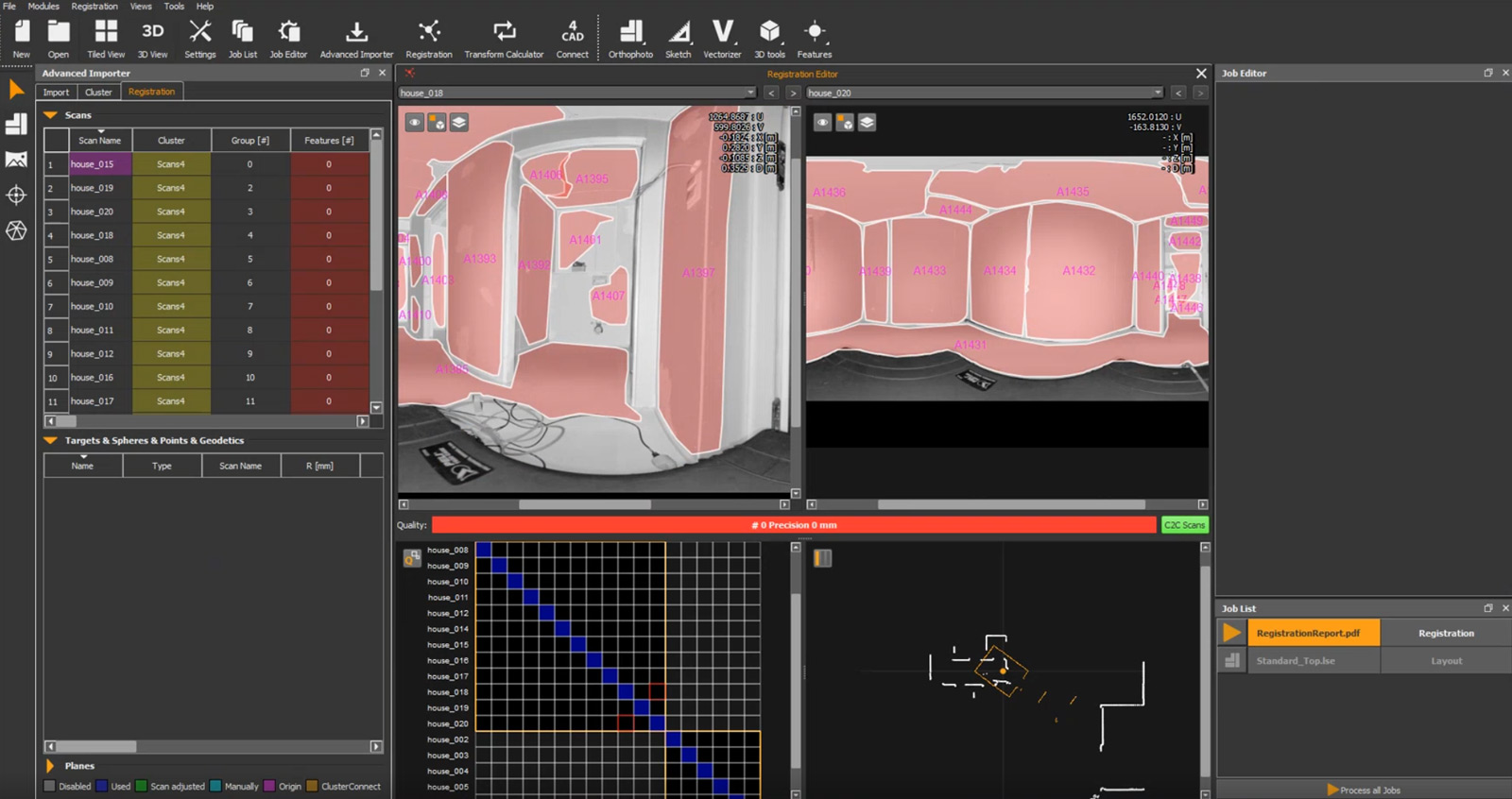
Improved visibility: In the Registration Editor, the labels of the recognized layers are now displayed within the respective layer.

blank
Click to enlarge the image

Optimized Nebula Export

blank
Click to enlarge the image

What it’s for?
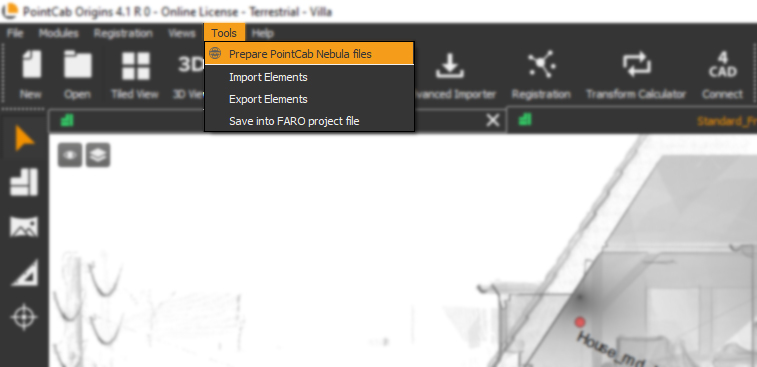
Just a much faster Nebula Export to get your point cloud projects into the cloud!
Who doesn’t want that?

Shortcut Manager improvements

What it’s for?
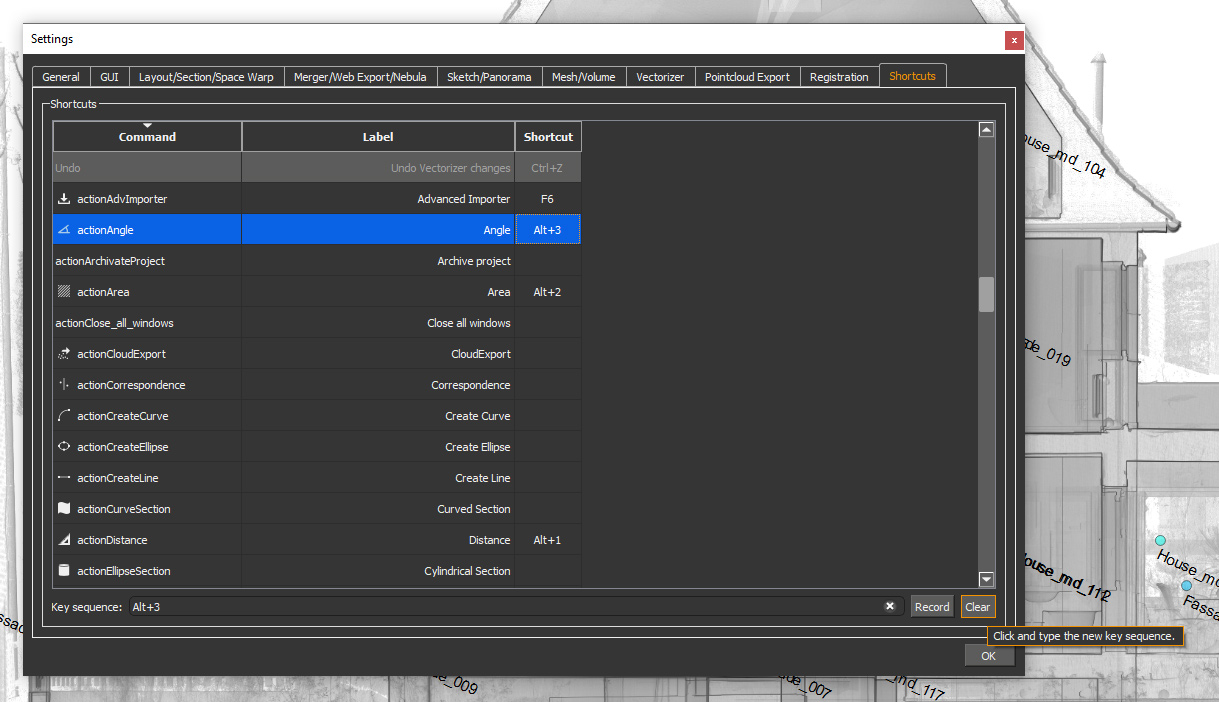
We have added a Clear-Button in the Shortcut Manager. Maybe just a little improvement for your user experience but we think you deserve it.

How it’s done:
Settings > Shortcuts: New “Clear Button” to delete user-defined shortcuts.
The “Record Button” can then be used to record as usual.

Shortcut Manager improvements
Click to enlarge the image

Project main files backup

Project main files backup
Click to enlarge the image

What it’s for?
When changes are made to the project, Origins now creates automatic backups in the background!

How it’s done:
You don’t have to worry about it, origins will create the backups for you automatically!

Customizable zoom speed

What it’s for?
Adjust the zoom speed in the 3D viewer the way you prefer it.

How it’s done:
Open the 3D Viewer and click on the Gear Icon in the upper left corner. Then you’ll be able to adjust your zoom speed in the “3D View Parameter” in the Job Editor. This setting can also be found under Settings > GUI > 3D Control > Zoom Speed

blank
Click to enlarge the image

Advanced project information

Advanced project information
Click to enlarge the image

What it’s for?
This handy feature keeps you on track with your project information!

How it’s done:
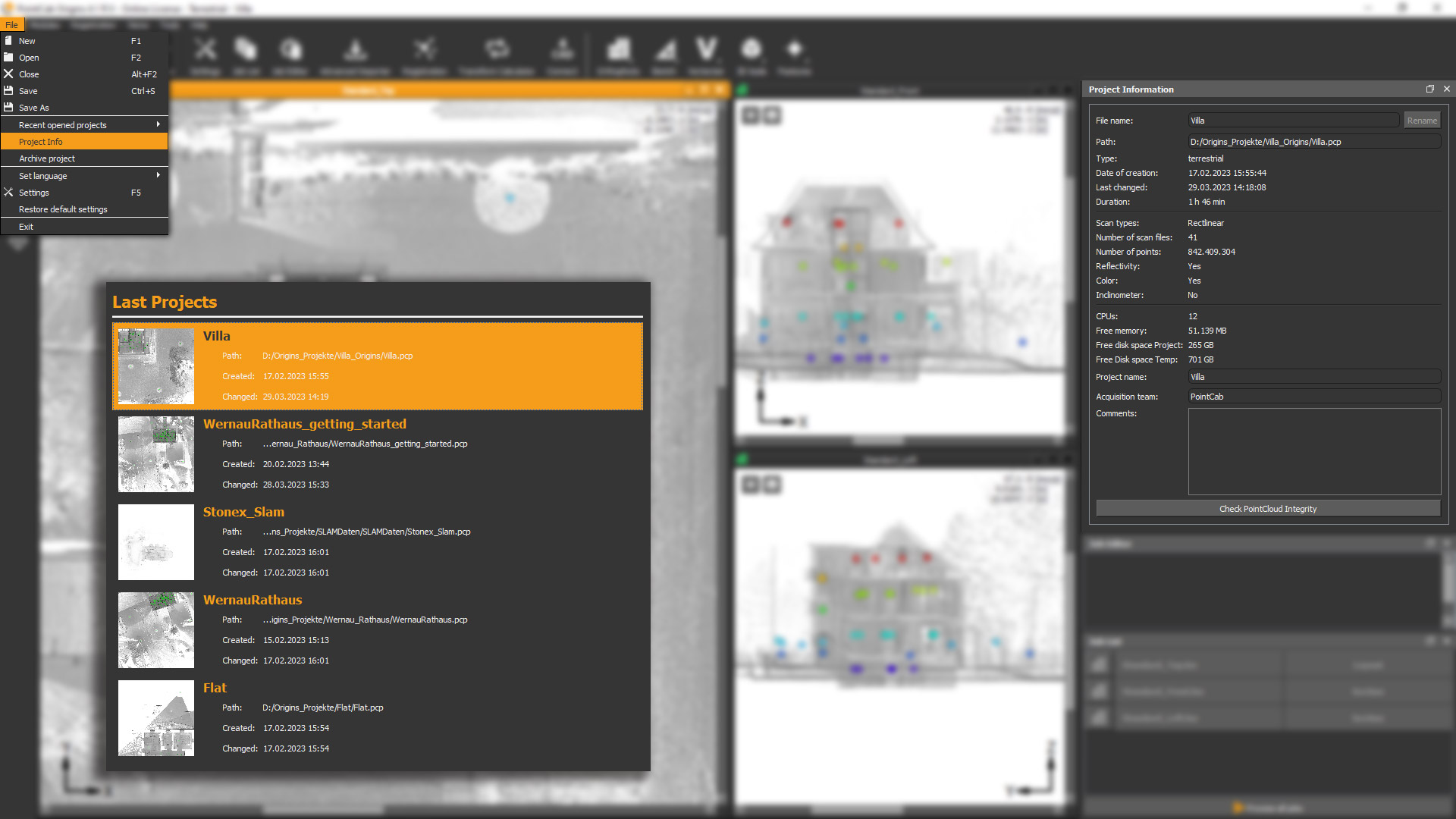
You might have noticed it already when opening Origins: in the Last Projects overview, more project details are now displayed!
Curious about more information? Just open your project and go to “File” > “Project Info”. Now you can view your “Project Information” above the Job Editor. Have a look at e.g. the creation date, date of last changes, total processing time, and much more!

Layout center line visible in all standard views

What it’s for?
The red dotted line of a section, which marks the center of a section, will now also be displayed in the left-view orthophotos window.

How it’s done:
No need to change anything. Origins does that automatically now.

blank
Click to enlarge the image

Save into FARO project file (customer request) 💡

save-into-FARO-project-file
Click to enlarge the image

What it’s for:

We have added the new function “Save into FARO project file” by user request. 

How it’s done:

With this function, registration values (scan positions and rotations) can be directly written into an existing FARO LSPROJ file.

EXTENDED DATA FORMATS – IMPORT / EXPORT

FARO SDK/API update – Support of FARO Premium Scans

Fantastic news for all FARO Focus Premium users!
As of now, the scans can be imported from the Premium Scanner.

faro-3d-scanning

Import e57 files with panorama (for Mobile Mapping scan data)

Import e57 files with panorama (for Mobile Mapping scan data)
Click to enlarge the image

What it’s for?

Now you can write panoramas in .e57/.las format from datasets of NaVvis, GeoSLAM, and Stonex.

How it’s done with .e57 files:

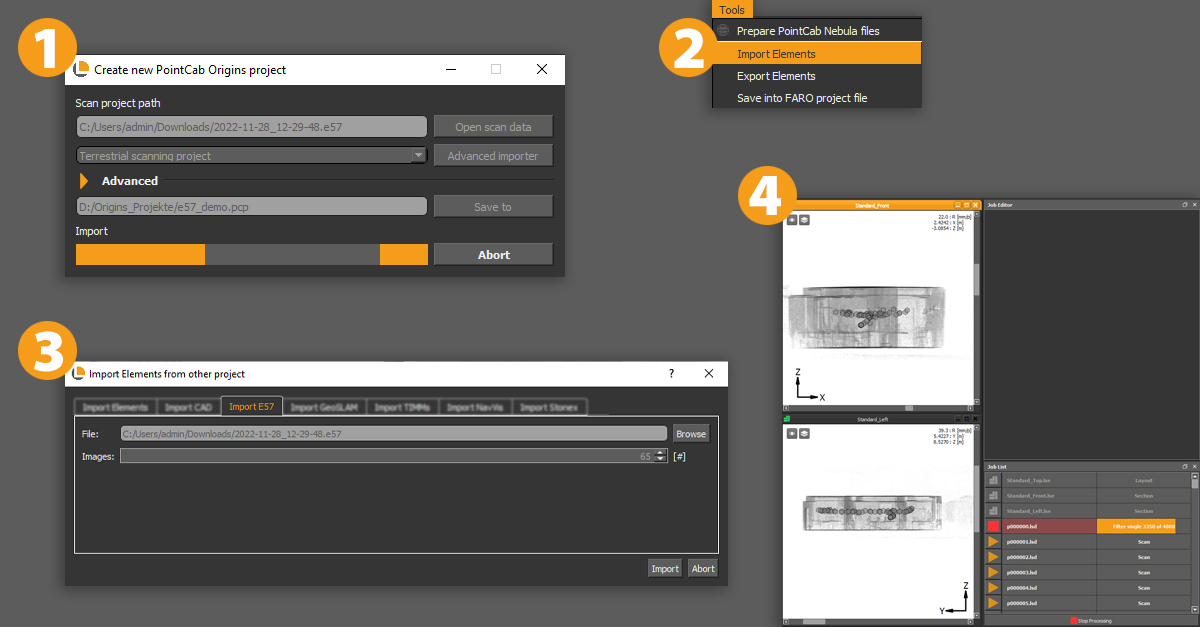
  1. Create a new project and open your scan data. Select the .e57-file and save it to start importing your e57-file as a point cloud.
  2. Proceed to import the panoramas under “Tools” and click on “Import elements”
  3. Navigate to the “Import E57” tab and select the same file. There you can see how many panoramas are included. Click on import.
  4. Last step: simply calculate the panoramas in the job list.

How it’s done with Stonex files:

  1. Create a new project and open your Stonex data. Select the .las-file and save it to start importing your .las-file as a point cloud.
  2. After your Stonex point cloud has been successfully imported into Origins, go to “File” > “Import Elements”.
  3. Navigate to the “Import Stonex” tab and navigate to the location of your .txt file and press “Import”. Make sure that the option “Copy images to project” is activated.
  4. The panorama views appear as circles in your project and as jobs in the job list that need to be calculated. After Origins has processed the images, you can open them as usual by selecting the Panorama tool and clicking on the scan point in the standard views.

Please note:
The Stonex panoramas are just hemisphere panoramas (180 degrees) and therefore the point cloud cannot be back-projected onto them, which means that no measurements can be made. They are purely suitable for visualization purposes.

BUG FIXES

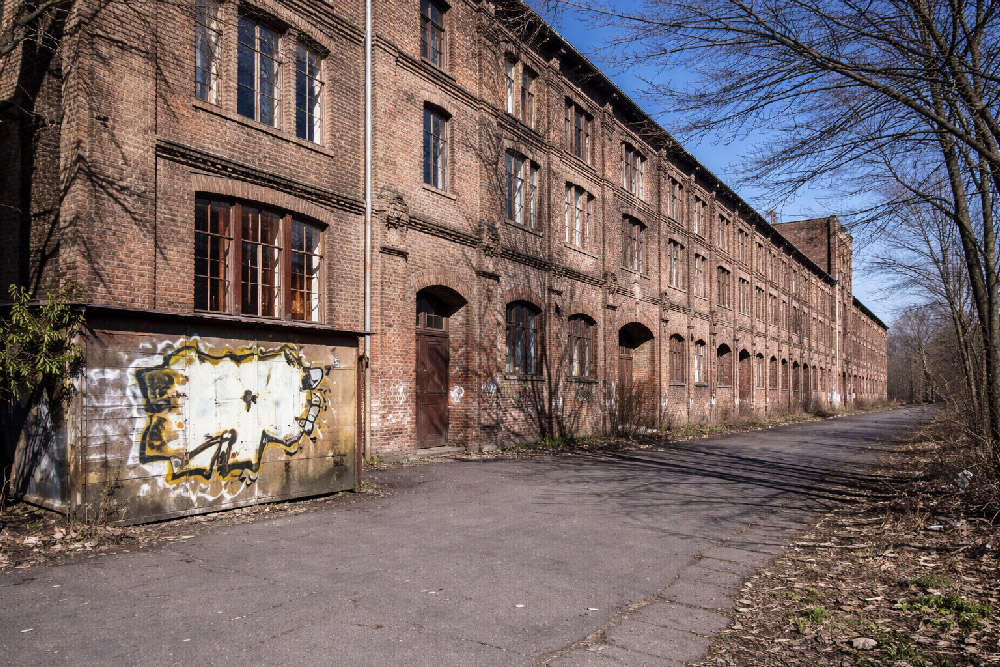
Conversion of a former mustard factory

Senffabrik von außen

The Challenge: No Existing Floor Plans and Time-Sensitive Planning

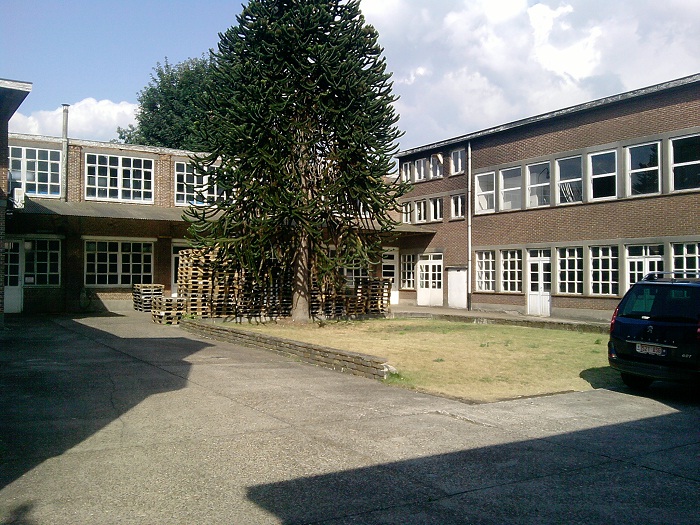
In this project, an old mustard factory was being converted into a residential building. The two-story, U-shaped structure contained former production rooms, storage areas and garages – but no current, reliable as-built plans were available for this complex task. 3D laser scanning provided the precise documentation needed for planning and design.

Converting an industrial building into residential space requires accurate knowledge of existing conditions. Without updated plans, planners and engineers risk costly errors during design and construction. In this case, the goal was to produce detailed floor plans and sections as CAD deliverables for the planning office – efficiently and within a short timeframe.

Capturing the Existing Building: Fast and Complete 3D Laser Scanning

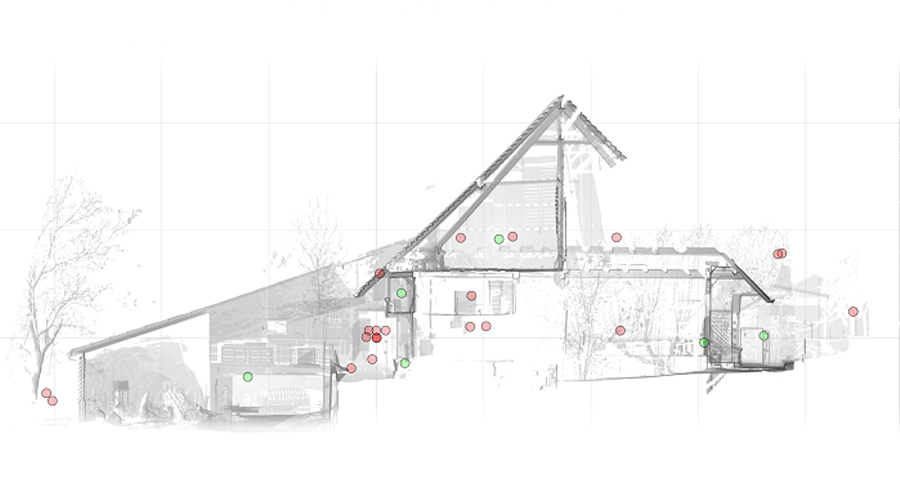
The entire building was documented using 3D laser scanning within half a day. A total of 30 individual scans were carried out, capturing all relevant rooms, walls, openings and structural elements.
This approach delivered a complete and detailed point cloud representing the actual condition of the building – an essential foundation when converting industrial structures into residential use.

Die Datenauswertung hat nur 2 Stunden geadauert, was mich wirklich überrascht hat!
Mitarbeiter Bouwsupport
Jun. 2013

From Point Cloud to CAD Plans: Efficient Evaluation with PointCab Origins

After data acquisition, the point cloud was evaluated using PointCab Origins. From the scan data, the required deliverables were derived efficiently:

  • floor plans,
  • cross sections,
  • and scaled, CAD-ready drawings.

The generated data could be imported directly into the customer’s CAD system and used for further planning steps without additional re-measurement or manual reconstruction.

Planning Benefits and Project Outcomes

The complete evaluation process – from raw scan data to exportable plans took approximately two hours.
Based on the generated plans, the investment volume for the conversion could be assessed quickly and reliably. The resulting CAD data supported:

  • preliminary and design planning,
  • detailed execution planning,
  • and visualizations for residential marketing and exposés.

This workflow provided a solid digital foundation for all subsequent project phases.

Want to keep up with the latest pointCab news?

Then follow us on Social Media or subcribe to our newsletter!

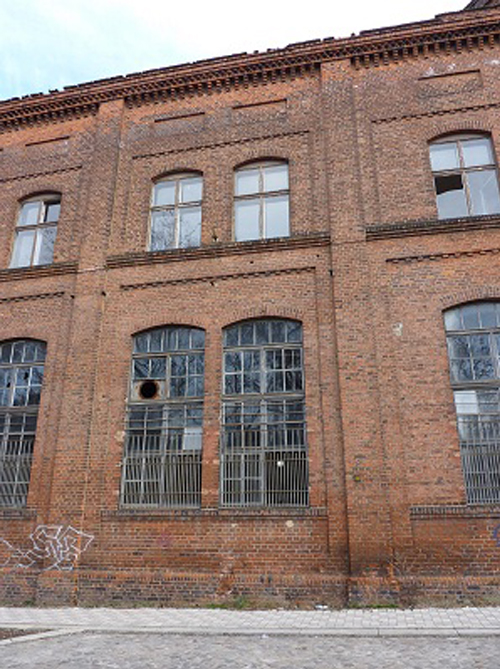
Facade elevation of a listed industrial building

blank

Requirements: Facade Documentation of Listed Building

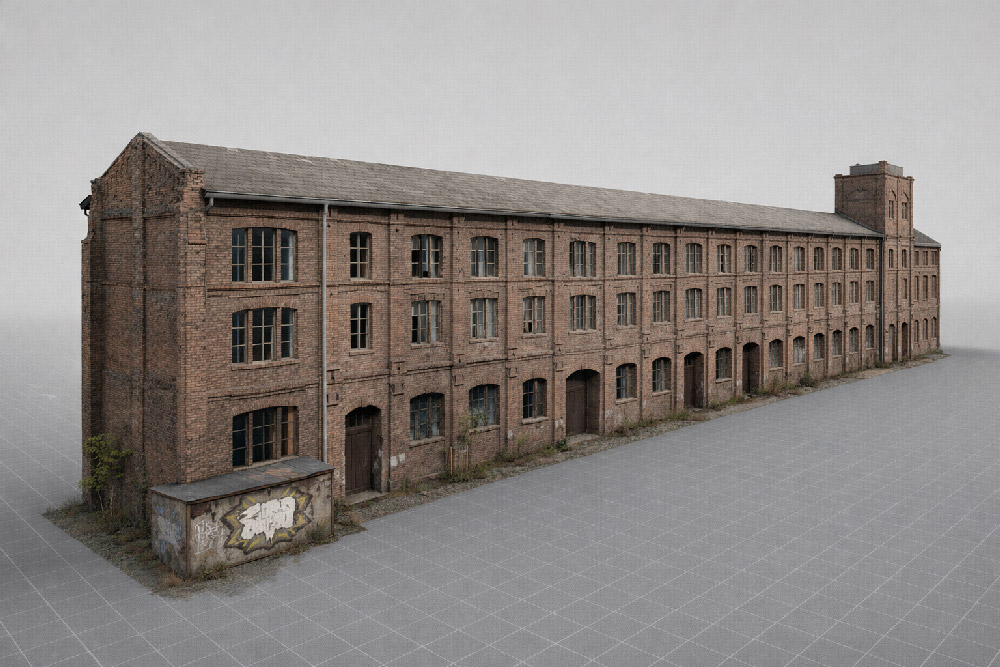
In Magdeburg, a historic industrial building subject to preservation orders was undergoing conversion into residential loft apartments. To comply with heritage requirements and support renovation planning, highly accurate, true-to-scale documentation of the building’s facades was essential. Traditional measurement approaches were not feasible due to the narrow working space and the structure’s height, so a 3D laser scanning survey was commissioned. The 3D laser scanning survey, as well as the processing and modeling of the point cloud data was carried out by Laserscanning Europe.

Challenges of Capturing a Listed Facade

The building’s complex geometry presented multiple challenges:

  • The facades reach up to 17 m in height, making direct manual measurement risky and limited by space.
  • The east facade features multiple offsets and sloping sections, requiring detailed mapping to capture elements such as window surrounds and wall protrusions.
  • As a listed structure, all renovations must align with heritage preservation requirements, which demand accurate documentation of existing conditions before design can proceed.

These conditions made non-contact 3D laser scanning the only practical method to achieve comprehensive and precise data.

Survey Execution: 25 Scan Positions and Efficient Data Capture

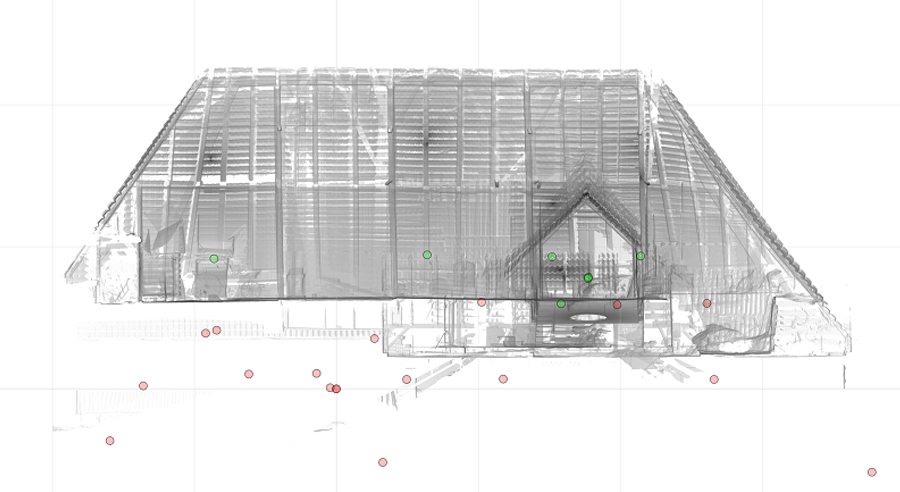
The team performed a total of 25 laser scanner setups across the three principal facades, covering a facade area of 1,720 m². Only one surveyor was needed on site, and the total scanning time was approximately 5 hours.

The result was a dense and complete point cloud representing all facade details – including irregularities and features that are critical for both preservation and renovation planning.

The rapid creation of scaled orthophotos allowed for quick analysis in Geograf.
Eric Bergholz
CEO, Laserscanning Europe GmbH
Dez. 2018

From Point Cloud to Digital Plans Using PointCab Origins and Geograf

Once the laser scanning was completed, the raw point cloud data was processed with PointCab Origins:

  • True-to-scale orthophotos were generated automatically.
  • The orthophotos and extracted measurements were imported into the CAD system Geograf within one hour.
  • Detailed 2D plans, including facade drawings and crack documentation, were created at a 1:50 scale.

This workflow enabled architects and engineers to immediately begin modeling and detailed planning for renovation and conversion. The CAD deliverables supported both the artistic design and the technical compliance needed for a listed building.

Why Detailed Facade Documentation Matters for Preservation Projects

For any structure under heritage protection, understanding the existing condition – especially at high resolution – is vital:

  • Preservation orders require that original characteristics be respected in renovation.
  • Irregularities (cracks, offsets, sloping segments) must be precisely recorded before any intervention.
  • A digital record supports historical documentation and prevents speculative or inaccurate reconstruction.

By using 3D laser scanning and rapid orthophoto generation, the project team not only met the strict accuracy requirements but also sped up the planning process, saving time and reducing risk during subsequent project phases.

Want to keep up with the latest pointCab news?

Then follow us on Social Media or subcribe to our newsletter!
Acquisition of factory halls

USER STORY

Acquisition of Factory Halls:
3D Laser Scanning for Complete Documentation

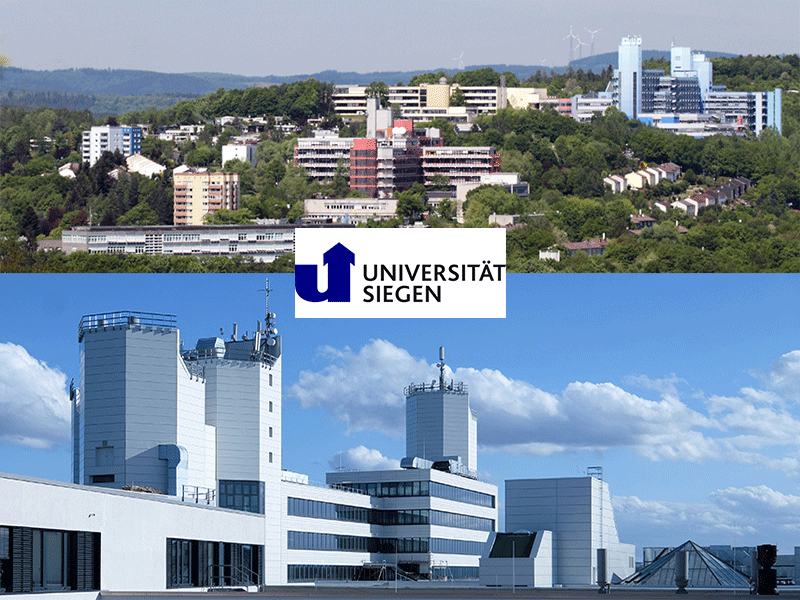
As part of a major industrial documentation project, the Interdisciplinary Competence Center for Old Buildings (InKA) of the University of Siegen carried out a full 3D laser scanning of factory halls covering approximately 10,000 m². The goal was to create reliable documentation for subsequent CAD modeling and planning in Graphisoft ArchiCAD.

Why Detailed Factory Acquisition Matters

Large factory halls and industrial plants contain extensive structural geometry as well as supply and disposal lines, machinery, and installations. Without precise as-built data, even well-intended renovation, retrofitting, or layout planning can suffer from:

  • geometry mismatches between the physical structure and the existing drawings
  • misaligned equipment due to outdated plans
  • planning delays due to manual re-measuring on-site

A modern 3D laser scan provides an accurate, coherent representation of the facility that eliminates guesswork and supports efficient engineering and design.

How the Factory Halls Were Surveyed: FARO Photon 80 and Point Cloud Capture

The survey covered approximately 10,000 m², using a FARO Photon 80 laser scanner. 

  • Total scans: 80
  • Total data volume: approx. 70 GB
  • Geometry captured: complete interior of the factory halls and all supply/disposal lines

This dense set of scans ensured full coverage and detailed capture of the existing infrastructure — even in areas with complex pipework or machinery.

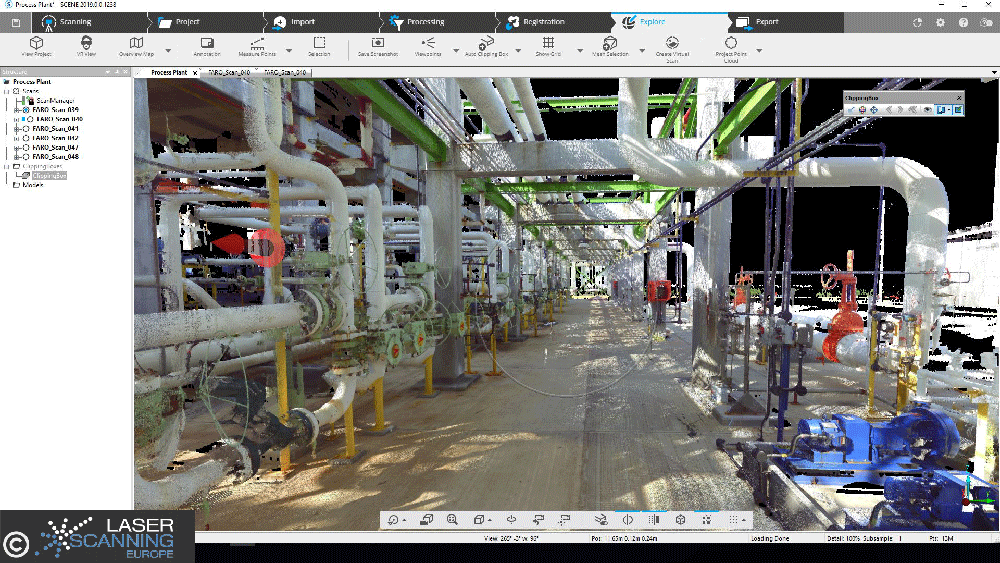
Point Cloud Registration in FARO Scene

All individual scans were registered and merged using FARO Scene to produce a unified point cloud. This step ensures:

  • correct alignment across all scans
  • a single 3D dataset covering the entire facility
  • consistent coordinate referencing for export and further processing

A unified point cloud is the foundation for accurate plan extraction, CAD modeling and coordination between engineering teams.

The PointCab Origins plans can be easily processed in ArchiCAD without additional software.
University of Siegen
Jun. 2013

Deriving Accurate Plans and Sections from the Point Cloud

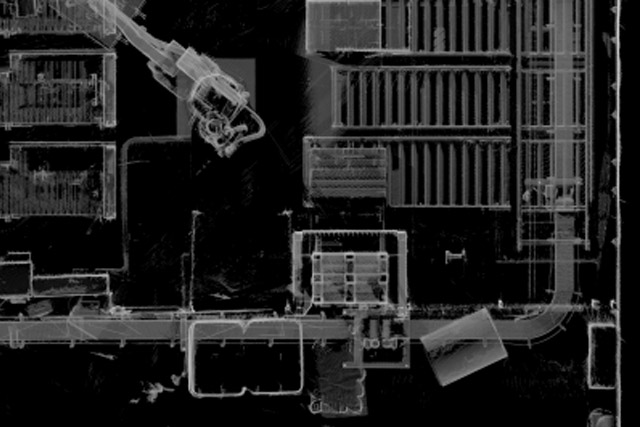
Once registered, the point cloud was evaluated in PointCab Origins. The software enabled rapid extraction of 2D plans and sections at any desired position through the point cloud. These derived outputs consisted of:

  • orthographic images scaled to real dimensions
  • tiling across multiple files to adapt the export size for different CAD systems
  • export formats readable by all major CAD/BIM platforms

PointCab Origins reduced the raw data to manageable file sizes without sacrificing accuracy, which made it possible to transfer directly into Graphisoft ArchiCAD for further modeling.

Why 3D Acquisition Is Valuable for Industrial Facilities

This case highlights the core strengths of laser scanning in industrial environments:

  • Complete coverage: Includes structural elements, machinery, and services in a single dataset.
  • High accuracy: Up to 2 mm per pixel in scaled outputs allows precise modeling.
  • Flexible export: Tiling and export options make datasets usable in virtually all CAD systems.
  • Faster workflows: Engineers and planners can start modeling directly from evaluated scans, saving time and reducing rework.

For production halls, large plants, or technical facilities, 3D laser scanning is now considered a standard method for creating trustworthy as-built documentation that supports engineering, renovation, and expansion projects.

Want to keep up with the latest pointCab news?

Then follow us on Social Media or subcribe to our newsletter!
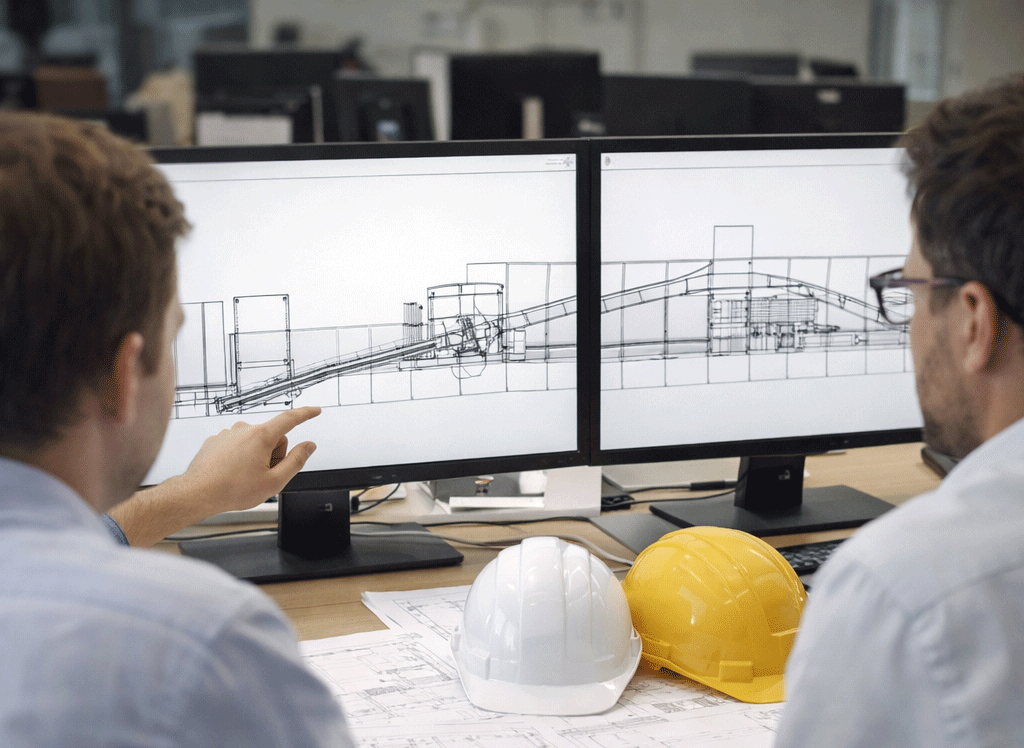
Conversion of production facilities

model of maschine

From Physical Reality to Actionable Insights: Capturing the Existing State

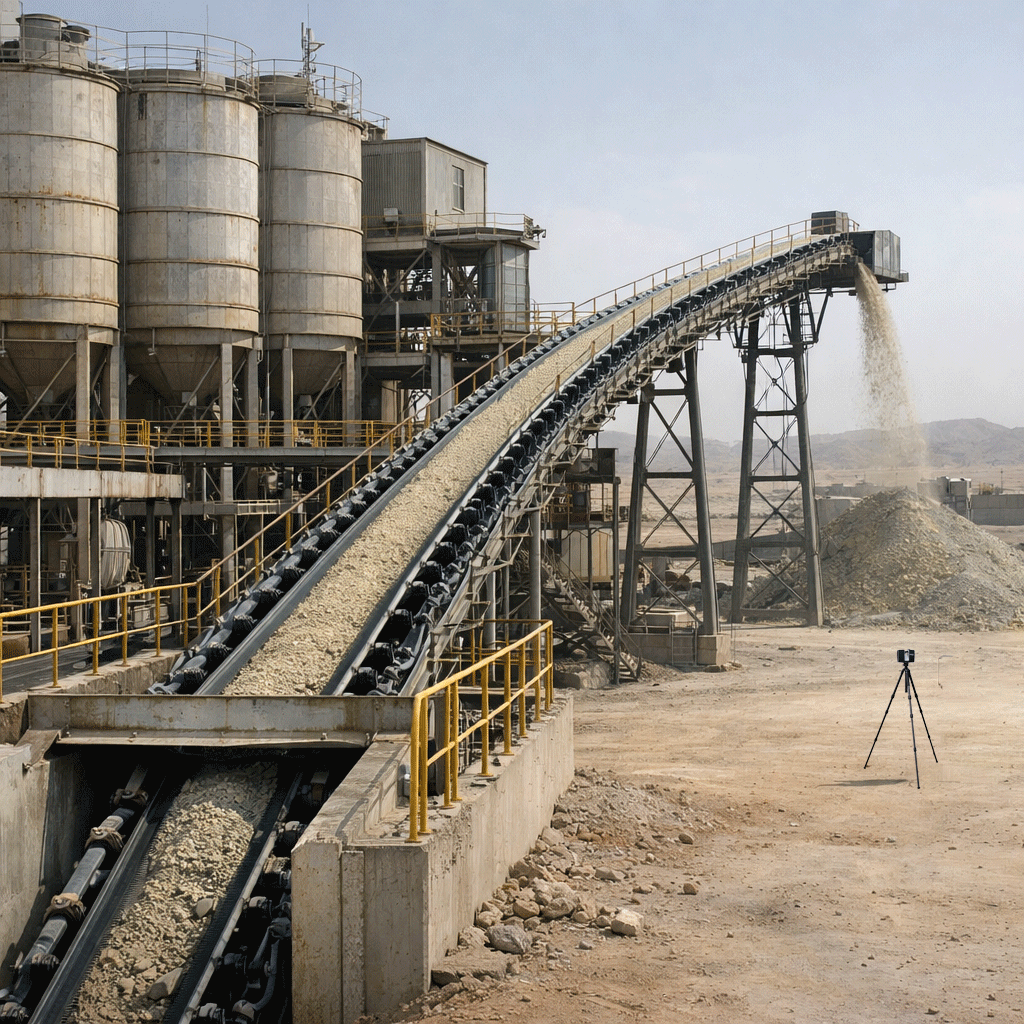
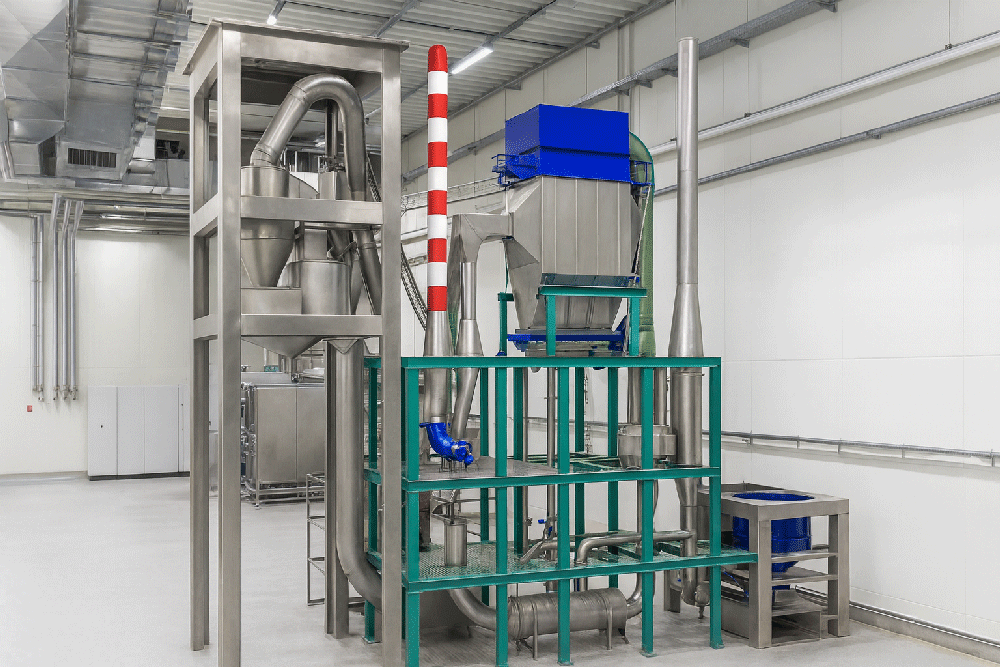
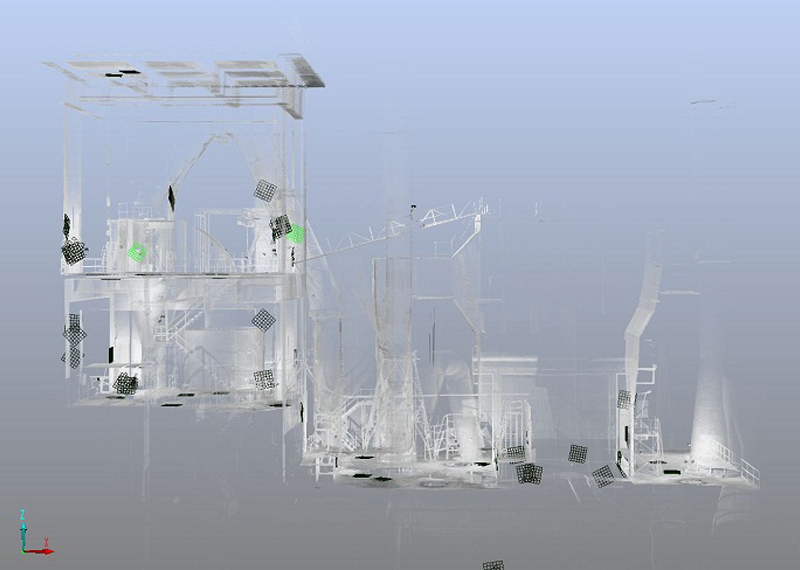
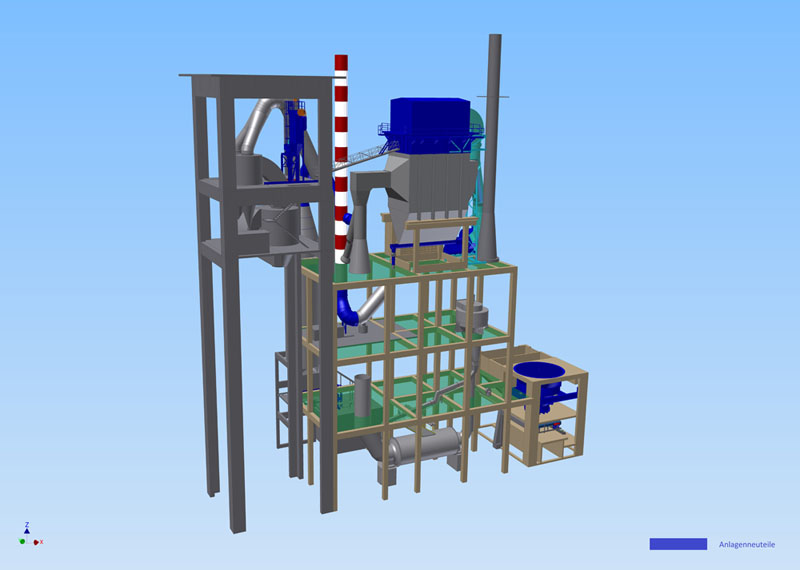
In a major project by Intercem Engineering GmbH, a leading supplier of turnkey solutions for cement plants, 3D laser scanning technology was deployed to support the conversion and upgrade of existing production infrastructure. The project involved the retrofit of an existing filter system on a concrete building and the installation of a new cyclone with a filter system within the concrete framework of a heat exchanger.

Because precise as-built documentation was essential to plan prefabrication and avoid costly rework, the team chose to use 3D laser scanning. The method proved to be fast, efficient and safe — even in hard-to-access areas, providing a robust digital foundation for retrofit planning.

The Challenge: Adapting Production Infrastructure Within an Existing Concrete Shell

Retrofitting a filter system and installing a new cyclone in an existing concrete structure poses multiple challenges:

  • Exact compatibility required between new equipment and existing geometry – tolerances had to be respected to avoid alignment issues.
  • Some areas of the building were difficult to access, making manual measurement hazardous or unreliable.
  • Any misfit would lead to costly rework, shutdowns or delays in installation.

In this context, traditional measurement methods bear high risk. 3D laser scanning offered a precise, comprehensive and reliable alternative.

How the Survey Was Performed: FARO Laser Scanner + Point Cloud Registration in FARO Scene

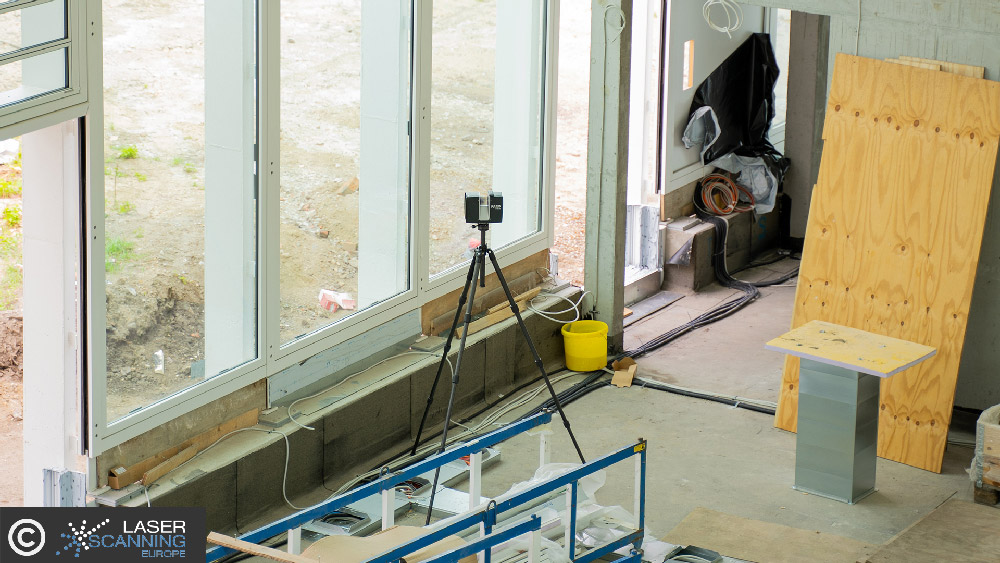
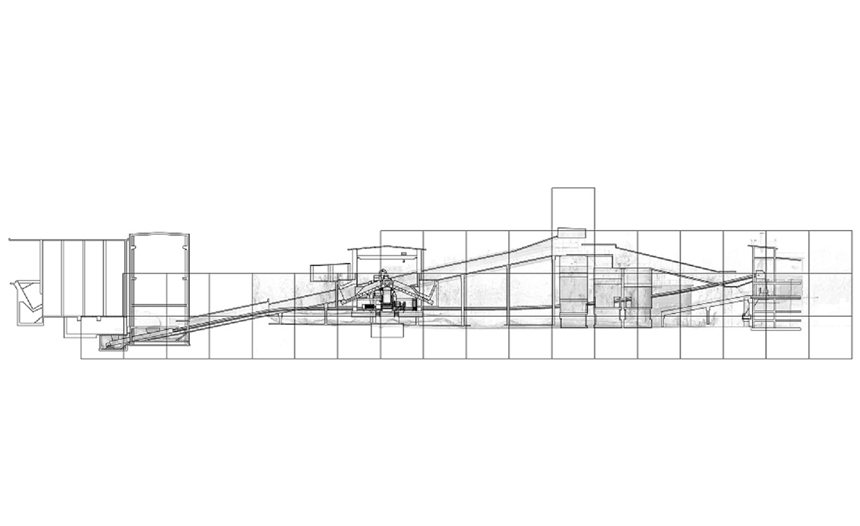
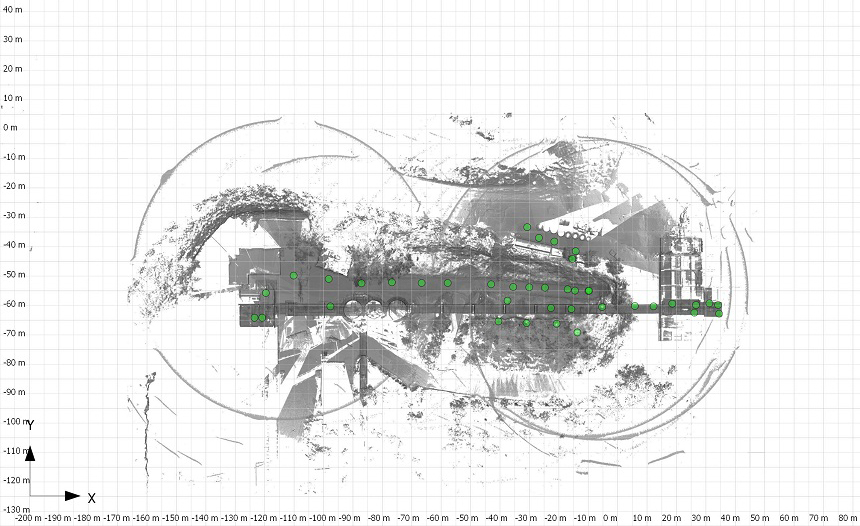
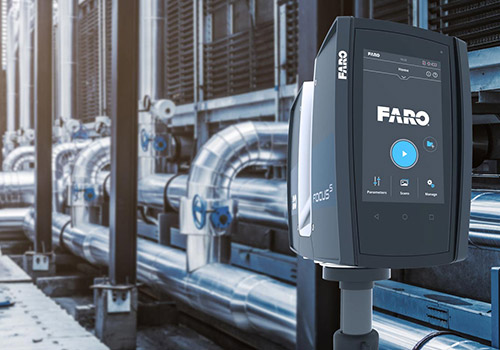
For this project, a laser scanner by FARO was used. For the retrofit of the filter system, 7 scans were made; for the heat exchanger area, 10 additional scans covered the relevant geometry. 

After data capture, all scans were registered and merged in FARO Scene, producing a unified point cloud of the building’s interior geometry. This ensured high accuracy and comprehensive coverage – even in difficult-to-reach zones.

We were able to use FARO laser scanner data as floor plans in Inventor thanks to PointCab Origins.
Intercem Engineering GmbH
Jun. 2013

Processing the Point Cloud: From Scan to CAD-ready Data

Once the point cloud data was ready, PointCab Origins was used to define floor plans and sections from the scan data easily and quickly. Then, the resulting CAD-ready data was imported into the mechanical CAD software Autodesk Inventor, where final modeling took place. 

This Scan-to-CAD workflow provided:

  • Accurate floor plans and sectional data based on real-world conditions
  • A reliable basis for the prefabrication of new components (filter system, cyclone)
  • Minimized risk of misalignment, rework or installation errors

Why 3D Scanning Is Essential for Industrial Retrofit Projects

This case highlights several key strengths of 3D laser scanning in industrial environments – especially when modifying existing facilities:

  • Precision: Point clouds capture true as-built geometry, including irregularities or deformations in old concrete structures.
  • Coverage: Even hard-to-access areas are recorded — no need for manual measuring in confined or hazardous zones.
  • Planning reliability: CAD/CAD-BIM models generated from scan data allow for prefabrication and exact fit of new installations.
  • Time and cost savings: Avoiding on-site rework, installation delays or retrofit errors reduces overall project risk and expense.

In short: for industrial retrofit and conversion projects, 3D laser scanning is often not just useful — it is indispensable.

Want to keep up with the latest pointCab news?

Then follow us on Social Media or subcribe to our newsletter!