
The Origins of Laser Scanning Part 3

blank

Part 3: Nowadays

3D Laser Scanning as an Everyday Tool in the Digital World

blank

Where does laser scanning come from? Who invented it?
How has laser scanning been used over the past decades up to today?

Our series “The origins of laser scanning” gets to the bottom of these questions and provides answers about this fascinating technology, which by now is hardly imaginable to live without in our everyday lives.

Technological maturity from 2005 onwards
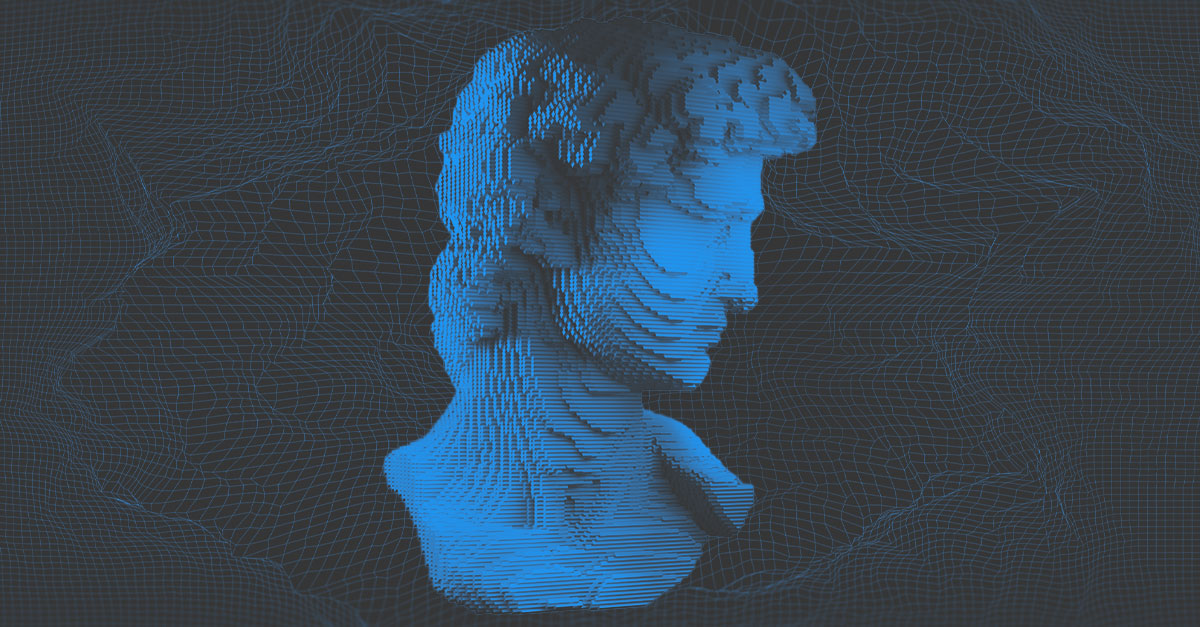
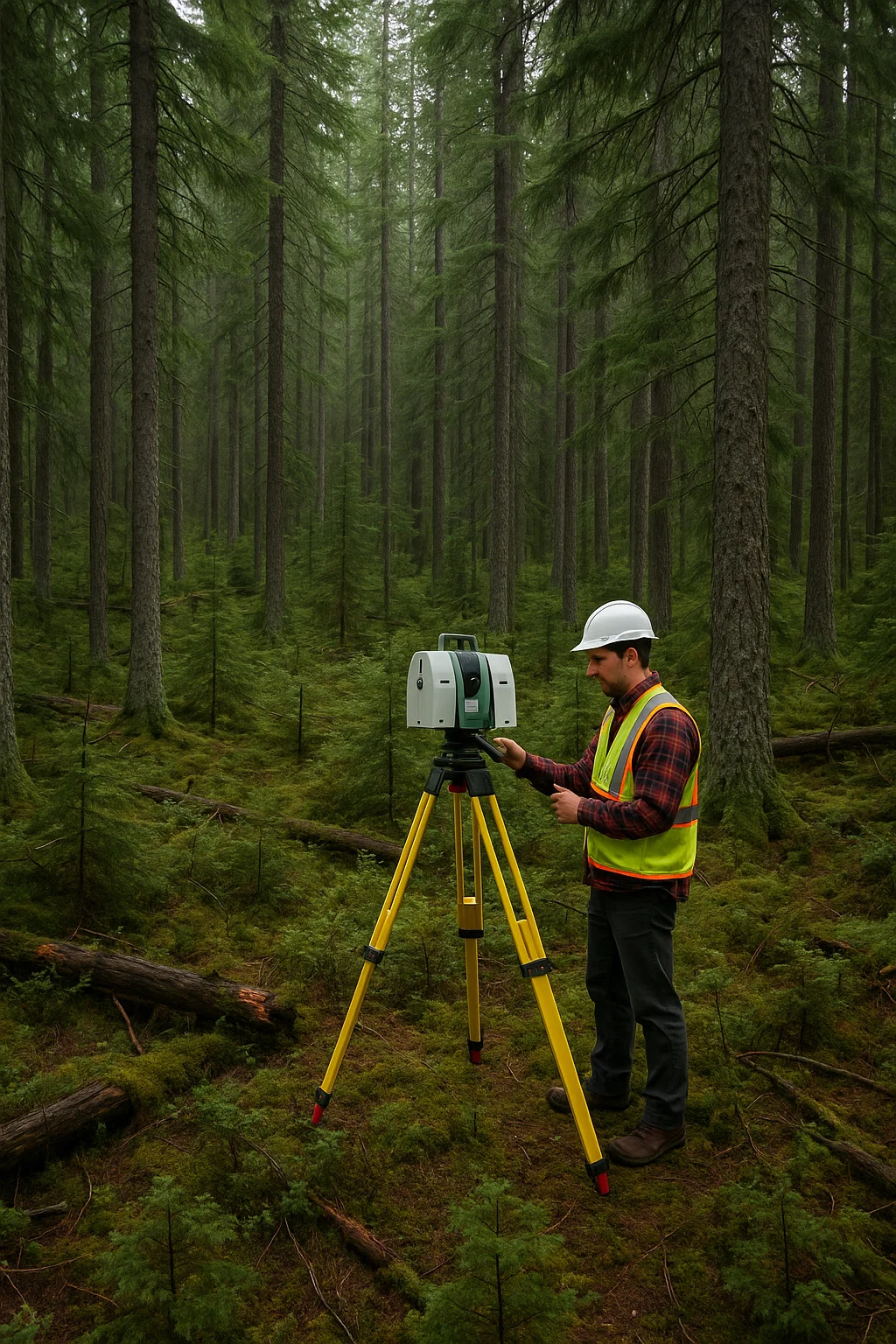
From the mid-2000s, scanners with integrated compensators came onto the market. These automatically balanced inclinations and significantly increased measurement accuracy. Pioneers included manufacturers such as Leica Geosystems and Trimble.

From specialized device to standard tool
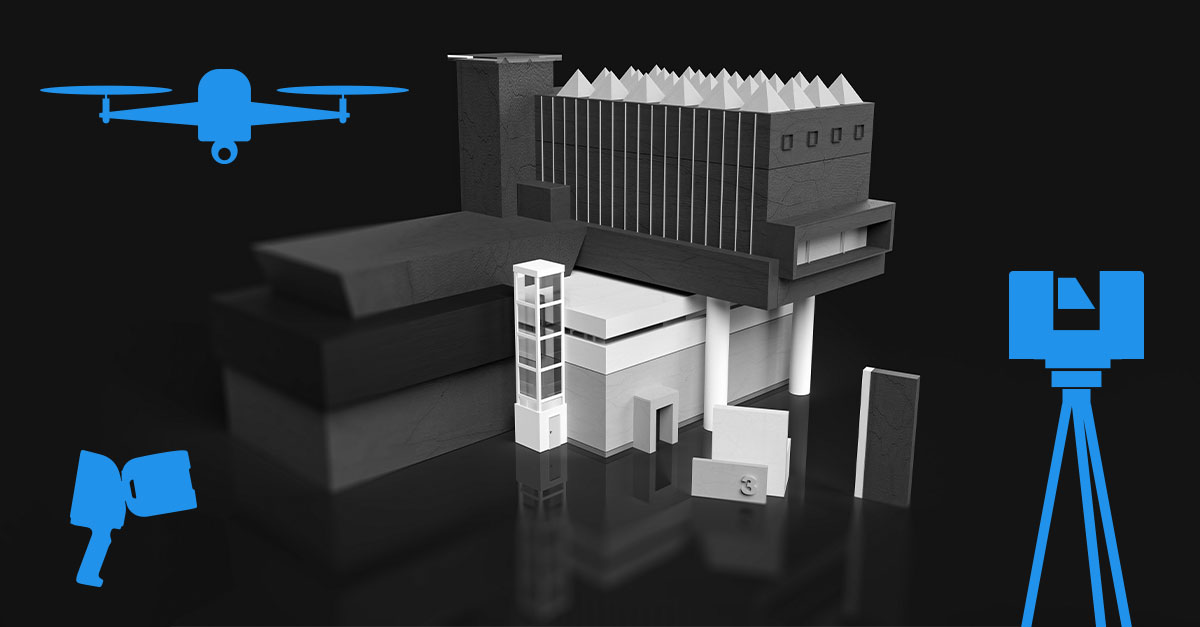
Today, 3D laser scanning is an integral part of construction, industrial applications, and heritage conservation. With stationary, mobile, or drone-based systems, buildings, facilities, and entire cities can be captured in three dimensions.

BIM and digital workflows

The captured point clouds flow directly into CAD and BIM systems. AI-based processes often take over automatic model generation and analysis. This saves time and reduces errors.

BIM – Building Information Modeling

BIM is a working method in which all relevant building data is digitally recorded, combined, and networked. Laser scanning provides the precise geometry data that forms the basis for digital planning.

Diverse applications
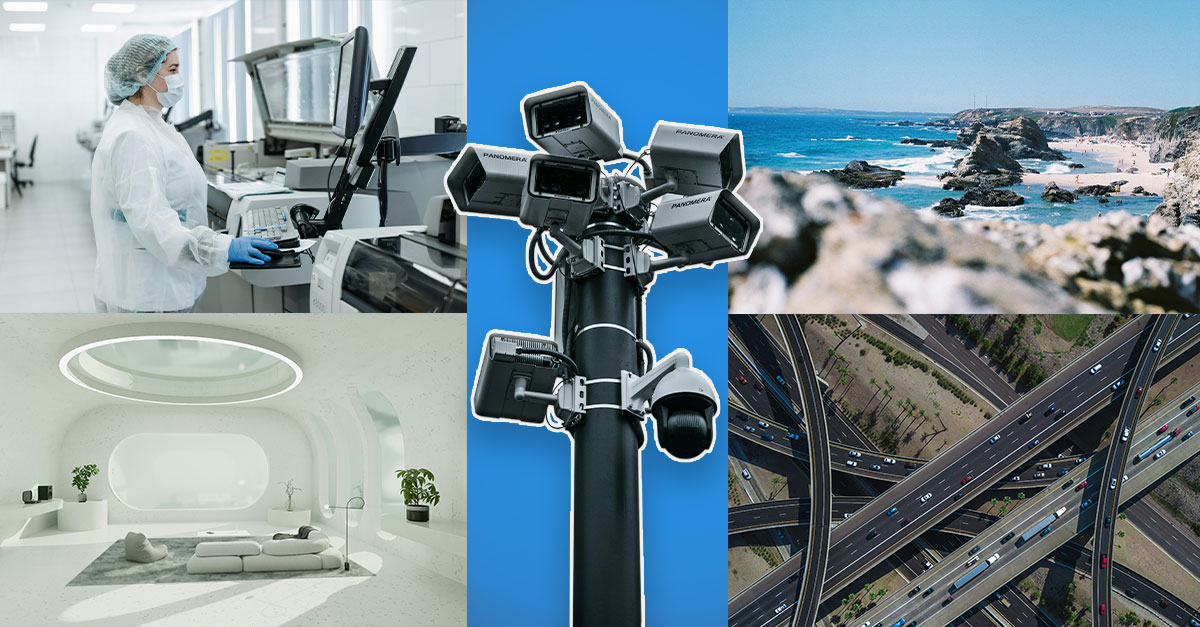
  • Architecture & as-built documentation
  • Reverse engineering & quality assurance
  • Environmental and climate research
    (e.g., glacier observation, coastal changes)
  • Security and surveillance technology
  • Traffic and urban planning

Software as the key

Raw data alone has no added value – only with specialized software such as PointCab Origins can millions of points be turned into understandable, usable results. The software is compatible with all common CAD and BIM systems and translates complex data into tangible information.

Did you know…?

… modern LiDAR systems today can capture up to 2 million measurement points per second – and detect details such as individual leaves on a tree or cables in an industrial facility?

That was the last part of our series.

Curious for more? We regularly publish articles on our blog.  Stay tuned!

Want to keep up with the latest pointCab news?

Then follow us on Social Media or subcribe to our newsletter!

The Origins of Laser Scanning Part 2

blank

Part 2 – From the Laboratory to Everyday Life

LiDAR Conquers Industry & Research

blank

Where does laser scanning come from? Who invented it?
How has laser scanning been used over the past decades up to today?

Our series “The origins of laser scanning” gets to the bottom of these questions and provides answers about this fascinating technology, which by now is hardly imaginable to live without in our everyday lives.

From research to application

Parallel to military and scientific use, the first industrial systems emerged in the 1970s. The Italian company DEA developed a 3-axis coordinate measuring machine that set new standards in physical object measurement.

In 1972, students at the University of Utah used this technology to digitally measure a car – a VW Beetle – for the first time using an algorithm.

Point Cloud – the digital image of reality

A point cloud is a collection of millions of individual measurement points in space. Each point has an exact position (x, y, z) and often additional information such as color or intensity. Together, they form an accurate 3D model of the captured scene.

New fields of application in the 1980s

blank

In 1984, the first stripe-based laser scanner was developed to create a 3D image of the human head. This technology was mainly used for animation and was a precursor to modern 3D scanning methods in film, medicine, and gaming.

The 1990s: The market opens up

blank

In 1992, Trimble (then Mensi) launched the S-series – 3D laser scanners for industrial applications. In 1993, the first commercially usable scanners followed.

The portable breakthrough

blank

In 1996, Cyra Technologies developed the Cyrax, the first portable 3D laser scanner designed for architects, engineers, and surveyors. A few years later, Leica Geosystems acquired the company and established itself as one of the leading manufacturers.

Did you know…?

… the first portable 3D laser scanner (Cyrax, 1996) was as big as a briefcase – and yet replaced entire teams in many surveying projects?

Here’s what’s coming next:

In the next part of our series, we will look at 3D laser scanning as an everyday tool in the digital world from the 2000s up to today.

Want to keep up with the latest pointCab news?

Then follow us on Social Media or subcribe to our newsletter!

The Origins of Laser Scanning

blank

Part 1 – Birth of a Technology

From Laser Flashes to Point Clouds

blank

Where does laser scanning come from? Who invented it?
How has laser scanning been used over the past decades up to today?

Our series “The origins of laser scanning” gets to the bottom of these questions and provides answers about this fascinating technology, which by now is hardly imaginable to live without in our everyday lives.

A laser, a flight to the Moon – and the start of a revolution in surveying technology

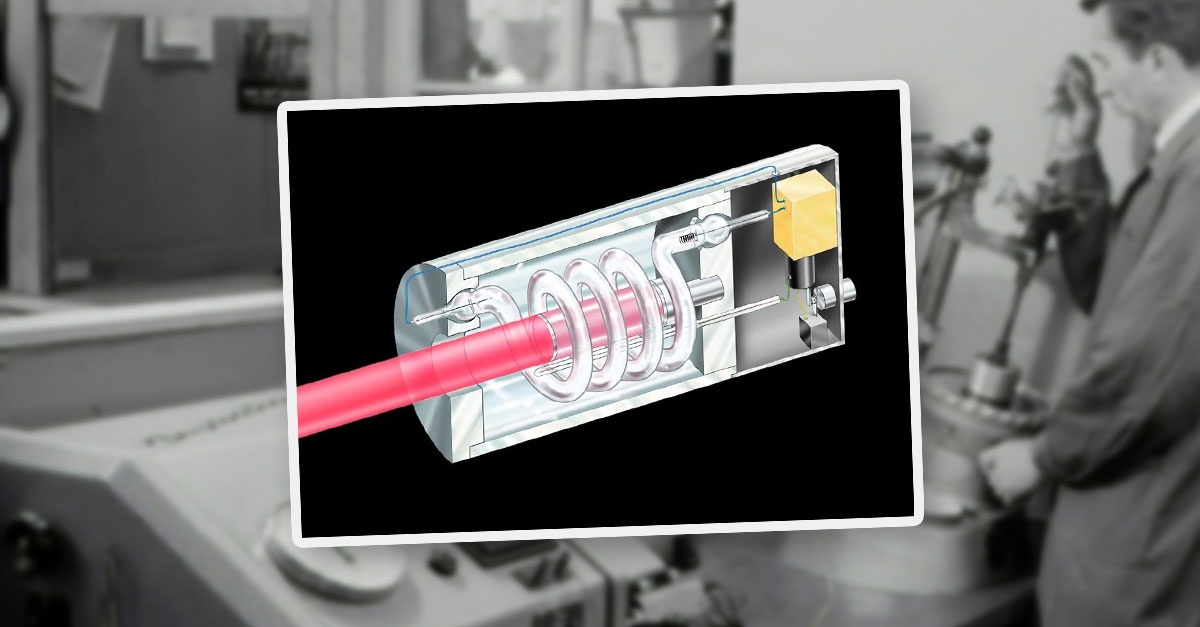
In 1960, US physicist Theodore Maiman at the Hughes Research Laboratories developed the first functional laser. It was based on a ruby crystal and marked the starting point for a new era of measurement and sensor technology.

Theodore Maiman invented the laser because he wanted to transfer the principle of the maser to light instead of microwaves. Despite initial rejection from his superiors, he continued the research on his own initiative under the threat of being fired. Practical applications were initially unclear – Maiman himself called the laser “a solution looking for a problem.”

On May 16, 1960, Theodore Maiman and Charles Asawa built the first functional ruby laser. Despite the initial rejection, Maiman was given a limited budget and published his results in August 1960 in the journal Nature. The invention spread quickly, but his employer remained skeptical. In 1962, Maiman therefore founded the Korad Corporation; the US patent followed in 1967.

Fun Fact:

The “father of the laser” Theodore Maiman never received the Nobel Prize – but in the year 2000, his own invention was used to perform laser surgery on him in Munich.

blank

Just one year after Maiman’s development of the laser, Hughes Aircraft Company built the first LiDAR prototype (Light Detection and Ranging).
The principle: Short laser pulses are emitted, hit a target, and reflect back. From the time the light takes for the round trip, the distance can be calculated.

What is LiDAR?

LiDAR stands for Light Detection and Ranging. A device emits laser pulses and measures the time until the light is reflected from the target. This makes it possible to determine distances and structures precisely – often with millimeter accuracy.

Military beginnings

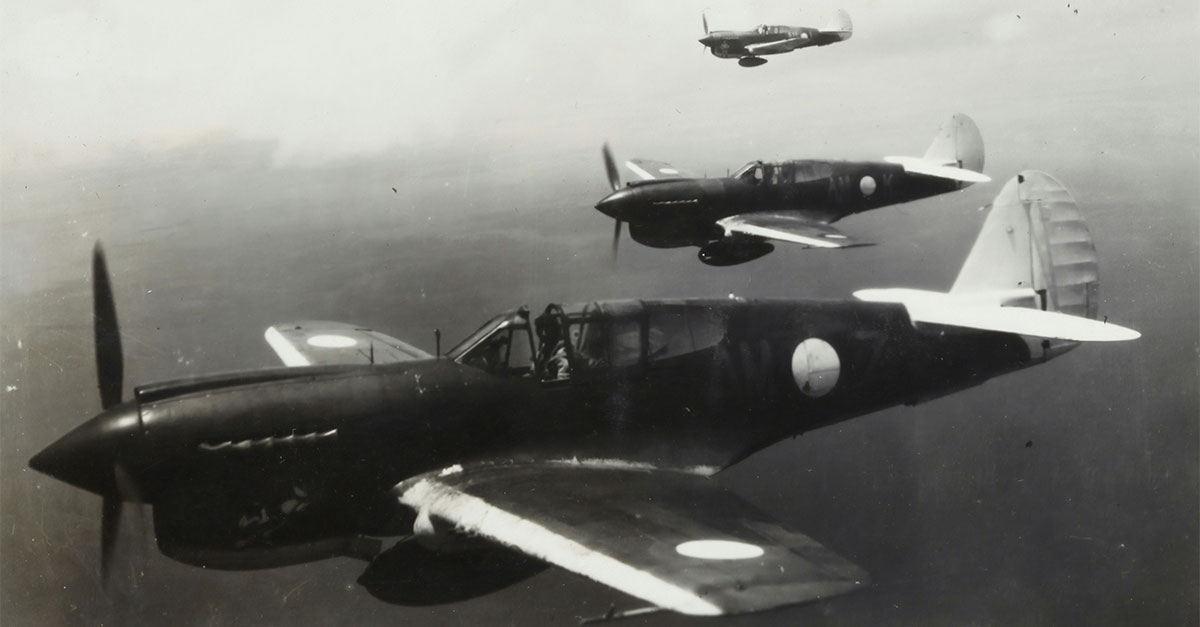
As early as the 1950s, the US military experimented with optical measuring devices – an early precursor of today’s LiDAR systems. In the 1960s, LiDAR was initially used for military terrain mapping and reconnaissance.

Apollo 15 – LiDAR in space

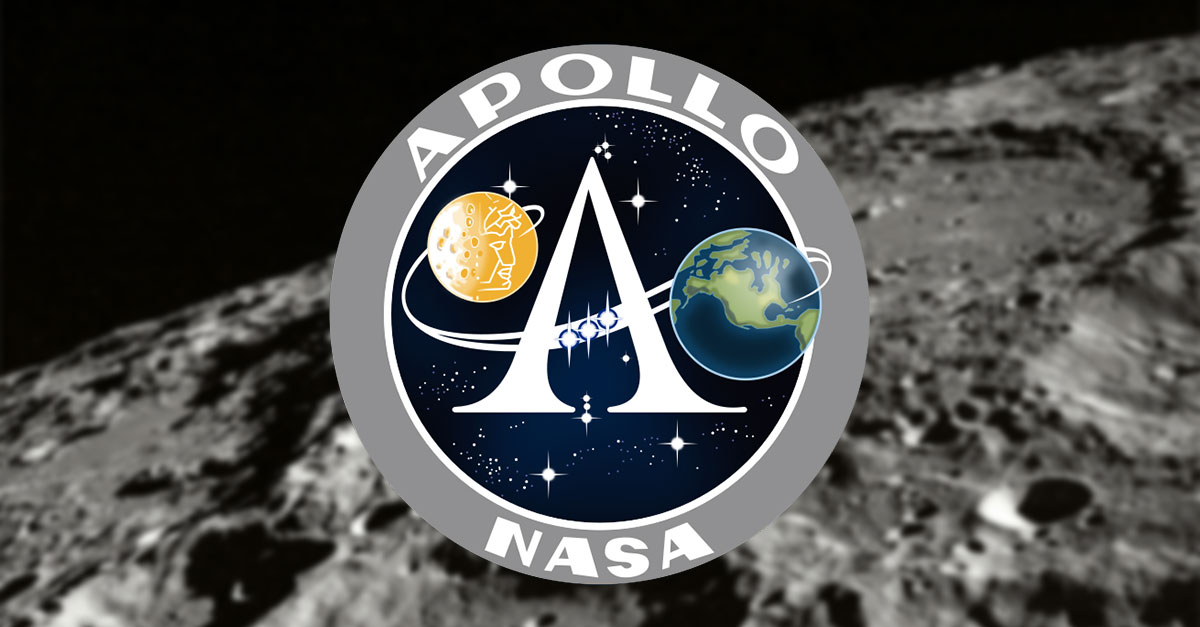
In 1971, LiDAR experienced its international breakthrough: NASA used the technology on the Apollo 15 mission to map the surface of the Moon. Using a flashlamp-pumped ruby laser, thousands of measurements of the lunar topography were carried out from orbit.

Slow development until the 1980s

Use in aerospace grew in the 1970s, for example for topographic mapping of landscapes, ice sheets, oceans, and the atmosphere. Only with the availability of commercial GPS systems and improved satellite communication in the 1980s did LiDAR become practical for more precise and efficient airborne measurements.

Did you know…?

… the Apollo 15 mission in 1971 used LiDAR to measure the Moon’s surface from orbit? This made LiDAR the first laser-based measuring method in space.

Here’s what’s coming next:

In the next part of our series, we will look at the transition from research to the practical use of LiDAR technologies in the decades up to the late 1990s.

Want to keep up with the latest pointCab news?

Then follow us on Social Media or subcribe to our newsletter!

World Nature Conservation Day – How Laser Scanning Supports a More Sustainable Future

blank

The Architecture, Engineering, and Construction (AEC) industry stands at the forefront of shaping our built environment. In our series “The AEC Impact” we explore the myriad ways in which the industry contributes to societal well-being, environmental sustainability, and economic growth. Join us as we uncover the transformative power of the AEC industry and its pivotal role in building a brighter, more sustainable world.

How Laser Scanning Supports Conservation

From remote rainforests to urban green spaces, laser scanning technology helps researchers and organizations in many different ways:

  • Monitor forest health and deforestation
    → High-resolution scans can detect subtle changes in vegetation over time.

  • Create digital twins of natural landmarks
    → This helps preserve vulnerable ecosystems and supports restoration after natural disasters.

  • Track erosion and water levels in riverbanks and coastal zones
    → Accurate 3D models allow experts to assess risks and plan interventions.

  • Document caves, cliffs, and fragile habitats without physical contact
    → Non-invasive scanning helps protect areas where human presence might cause damage.

  • Giving Old Buildings a Greener Future
    → Scanning existing buildings helps to restore them in an energy-efficient way, also saving precious resources by not building new structures

These projects often involve interdisciplinary teams: ecologists, engineers, architects, and geospatial experts working together. 

Real-life examples: Protecting Dune Ecosystems in the Netherlands

In the coastal dunes of Vlieland, an island in the Dutch Wadden Sea, researchers used LiDAR combined with aerial imagery to map the spread of invasive shrubs like Prunus serotina and Rosa rugosa. These species threaten native dune biodiversity, but detecting them manually across large, shifting landscapes is difficult and resource-intensive.

By incorporating LiDAR-derived canopy height data into their analysis, the team improved their detection accuracy by more than 10%, enabling more targeted removal and less environmental disturbance.

“The use of LiDAR improved classification of shrub cover substantially, especially in detecting higher-density patches.”
Van Iersel et al., Remote Sensing in Ecology and Conservation (2020)
🔗 Full Report (Open Access)

This approach helps preserve native dune flora and fauna while reducing the need for broad mechanical or chemical interventions.

Real-life Examples: Scottish National Portrait Gallery

In the Scottish National Portrait Gallery, Edinburgh 3D laser scanning captured the entire structure of the historic building in precise detail. Then a BIM model was created, helping to plan renovations without damaging original features. It also enabled detailed analysis of thermal bridging, structural conditions, and spatial coordination for new systems. This lead to:

  • Improved insulation and air tightness without compromising heritage elements
  • Integration of energy-efficient lighting and HVAC systems
  • Achieved a 14% reduction in annual CO₂ emissions, contributing to overall better energy performance while maintaining historical integrity

Laser scanning was essential in balancing heritage preservation with modern energy standards.

 🔗 Learn more here or here

Honoring the People Behind the Scans

These successes weren’t born from gadgets alone. They reflect the dedication of surveyors, ecologists, engineers, architects, and technicians. Their expertise ensures technology serves both people and nature. 

On World Nature Conservation Day, their quiet yet crucial contributions deserve our deepest gratitude.

Want to keep up with the latest pointCab news?

Then follow us on Social Media or subcribe to our newsletter!

The AEC Impact – World Population Day

blank

THE AEC IMPACT

World Population Day

blank

The Architecture, Engineering, and Construction (AEC) industry stands at the forefront of shaping our built environment. In our series “The AEC Impact” we explore the myriad ways in which the industry contributes to societal well-being, environmental sustainability, and economic growth. Join us as we uncover the transformative power of the AEC industry and its pivotal role in building a brighter, more sustainable world.

World Population Day - overview

World Population Day, observed on July 11, is a crucial occasion dedicated to raising awareness about the pressing issues related to the world’s population. Established by the United Nations in 1989, this day emphasizes the importance of population trends and their implications on development, environment, and global health. As the global population continues to grow, currently surpassing 7.9 billion, the challenges related to sustainability, urban planning, and resource management become increasingly critical. Surveyors and architects play a vital role in addressing these issues, leveraging advanced technologies such as laser scanning and digital twins to create sustainable and efficient solutions.

population_day_blog_1

World Population Day - Goals

World Population Day aims to draw attention to the urgent issues arising from population growth, including but not limited to:

  • Sustainable Development: Ensuring that economic and social progress can continue without depleting resources for future generations.

  • Urbanization: Managing the rapid expansion of cities to ensure adequate housing, and provide essential services.

  • Healthcare: Addressing the needs of growing populations, especially in developing countries, to ensure access to healthcare and combat diseases.

  • Environmental Impact: Mitigating the negative effects of human activities on the environment, promoting conservation, and addressing climate change.

  • Resource Allocation: Ensuring that resources such as water, food, and energy are distributed equitably and sustainably.

The Contribution of the AEC industry utilizing Laser Scanning Technology

Surveyors and architects are at the forefront of addressing the challenges highlighted by World Population Day. Their expertise in planning, designing, and managing the built environment is key to creating sustainable and livable cities. Their methods and skills are employed in a variety of different applications:

  • Urban Planning: By providing accurate and comprehensive data on existing urban environments cities can become more efficient and sustainable.

  • Infrastructure Development: Surveyors can use laser scanning to assess the condition of infrastructure. Architects plan renovations and ensure new developments are integrated smoothly with existing structures.
blank
blank
  • Historical Preservation: Preserving historical sites is crucial for maintaining cultural heritage. Laser scanning allows for precise documentation and restoration of these sites.

  • Environmental Impact Analysis: Detailed 3D models help to asses the environmental impact of new developments, aiding in the creation of designs that minimize ecological footprints.

  • Resource Management: Accurate modeling of resources such as water and vegetation helps in planning their sustainable use and management.

Case Studies and Real-world Applications

Smart Cities:
In cities like Singapore and Barcelona, laser scanning and point cloud processing are used to create digital twins—virtual replicas of physical spaces. These digital twins help monitor urban environments, optimize energy use, and enhance public services.

blank
blank

Disaster Management:
In earthquake-prone areas like Japan, laser scanning is used to assess structural damage quickly and accurately, aiding in rapid response and reconstruction efforts.

Sustainable Buildings:
Green building projects, such as the Bullitt Center in Seattle, use these technologies to design buildings that are energy-efficient and environmentally friendly, setting new standards for sustainable architecture.

blank

conclusion

World Population Day serves as a reminder of the challenges posed by a growing global population. Surveyors, engineers, and architects, equipped with advanced technologies, play a pivotal role in tackling these challenges. By creating sustainable, efficient, and resilient urban environments, they contribute significantly to ensuring a better future for all. As we observe World Population Day, it is essential to recognize and support the innovative solutions these professionals bring to the table in addressing the complexities of population growth and urban development.

Want to keep up with the latest pointCab news?

Then follow us on Social Media or subcribe to our newsletter!
Global Surveyors Day

blank

GLOBAL SURVEYORS DAY

blank

March 21 is officially declared Global Surveyors Day.

A good reason to take a closer look at the history and background!

ABOUT THE HISTORY OF SURVEYING

pyramids

THE BEGINNINGS

The beginnings of surveying can be traced back to the construction of the pyramids, where property boundaries were defined using hemp ropes and knots. Greek philosophers such as Pythagoras and Aristarchus of Samos were investigating the shape of the earth and the movement of the planets. During the Roman Empire, surveying played an important role in the development and administration of conquered territories.

During the Middle Ages, surveying was simplified and geometry was regarded as one of the liberal arts. The rediscovery of ancient writings in the 15th century, including Ptolemy’s “Geographia” led to an upswing in cartography. The Age of Discovery required more accurate maps and instruments, which led to the development of new surveying techniques.

MODERN ERA

Surveying experienced a further upswing in the 18th century. Following the French Revolution, the surveying and archiving of all properties was achieved with the introduction of the land tax register. In almost all of Europe, the introduction of the metric system in the second half of the 19th century put an end to the variety of different units of measurement.

Nowadays, modern technologies such as GPS, laser scanning and photogrammetry make it possible to measure our world comprehensively, digitally and with high precision.

blank

GLOBAL SURVEYORS DAY

blank

NATIONAL SURVEYORS WEEK IN THE USA

The first “National Surveyors Week” was proclaimed on February 13, 1984, by the American Congress on Surveying and Mapping (ACSM). In addition, the 40th President of the United States, Ronald Reagan, signed a proclamation calling on citizens to recognize the achievements of professional surveyors. The proclamation therefore acknowledged the important role of land surveyors, who were instrumental in establishing settlements in North America. George Washington, the first recognized surveyor, is probably the most famous among them.

National Surveyors Week starts every year on the third Sunday in March and is historically one of the first official events to regularly celebrate the achievements of surveyors.

GLOBAL SURVEYORS DAY

Global Surveyors’ Day has been officially celebrated since 2018, which conveniently coincides with National Surveyors Week, which has existed for some time.

Global Surveyors’ Day was first introduced and celebrated on March 21, 2018, at the Conference on Land and Poverty at the World Bank headquarters in Washington, DC, USA.

The day is supported by many organizations, including the CLGE, NSPS, and FIG.

blank
blank

DIFFERENT SURVEYORS DAYS AROUND THE WORLD

Although “Global Surveyors Day” was officially declared in Washington DC in2018 and supported by the Council of European Geodetic Surveyors (GLGE), in Germany, for example, Surveying Day is often still celebrated on March 5 instead of March 21. The reason for this is that the GLGE already proclaimed March 5 as Surveying Day in 2012, the birthday of the famous cartographer and globe maker Gerhard Mercator.

In Iran, on the other hand, the day falls on September 4 – the birthday of the Iranian surveyor and astrologer Al-Biruni.

Regardless of when the day is celebrated where in the world, everyone seems to agree on one thing: surveyors and geodesists make incredibly important contributions to the well-being of mankind and therefore deserve our attention and recognition.

Want to keep up with the latest pointCab news?

Then follow us on Social Media or subcribe to our newsletter!

National Surveyors Week – background and trivia

Natinal_surveyors_week

NATIONAL SURVEYORS WEEK - BACKGROUND AND TRIVIA

blank

In the United States National Surveyors Week is celebrated every year starting on the third Sunday of March. The week is dedicated to surveyors and is intended to honor and educate the profession. While it started out in the US, National Surveyors Week is nowadays celebrated by many around the globe. This year, we like to honor the occasion by giving you a little background info and trivia.

Since the beginning of recorded history, surveyors have been instrumental in advancing society. The construction of the Great Pyramid of Giza in 2700 BC is one of the earliest examples in the history of land surveying. Surveying is also used in transportation, communications, mapping, and establishing legal boundaries for land ownership. Many scientific disciplines also use this important tool for research.

According to the Bureau of Labor Statistics, there are approximately 54,800 surveyors in the United States. They have expertise in:

– Geometry / Trigonometry,
– Regression analysis
– Physics, Meteorology
– Engineering
– Programming languages
– Law

While the fundamentals of surveying have remained the same, the surveying instruments today are much more technologically advanced than in the past. Drones and lasers have now replaced most of the work done with a telescope on a tripod. Remote sensing and satellite imagery are becoming more accurate and affordable, so they are used more and more these days. Probably the most important new technology in recent years is three-dimensional scanning (3D laser scanning).

blank

History of National Surveyor Week

blank

The first National Surveyors Week was proclaimed on February 13, 1984 by the American Congress on Surveying and Mapping (ACSM). In addition, the 40th President of the United States, Ronald Reagan, signed a Presidential Proclamation urging citizens to recognize professional surveyors and their remarkable contributions. There are many famous land surveyors who have played a major role in the history of the settlement of North America. George Washington, the first recognized land surveyor, is probably the most famous of them all. 

Current use of laser scanning

Today, there are numerous industries that have discovered laser scanning for themselves. The advantages are obvious: laser scanning makes it possible to create a precise digital image of reality – the digital twin.  

This is why PointCab Origins is also used in various sectors. We have compiled a selection of industries in which laser scanning is used. Common areas of application are:

– Architecture
– Heritage
– Construction (As Built)
– Industrial plants
– Surveying
– Craftsmanship

 This is also how our PointCab Origins point cloud software is used in various fields.

Want to learn more? Then check out these links:

National Society of Professional Surveyors website:  https://www.nsps.us.com/

Washington as Public Land Surveyor: https://www.loc.gov/collections/george-washington-papers/articles-and-essays/george-washington-survey-and-mapmaker/washington-as-public-land-surveyor/

Initiative to win over young talent: https://www.getkidsintosurvey.com/

PointCab Origins trial version: https://pointcab-software.com/en/point-cloud-software/trial-version/ 


Lidar Community mourns the death of Martin Isenburg

blank

LIDAR COMMUNITY MOURNS THE DEATH OF MARTIN ISENBURG

Martin Isenburg was an outstanding software developer, bright mind and pioneer in the field of lidar and topographic data processing. As the father of the .las/.laz format, he helped to simplify the exchange of point cloud data worldwide and thus leaves a great legacy. His LAStools have also been popularly and frequently used throughout the LIDAR sector and his open source LiDAR compressor LASzip has become the de facto industry standard for compressed LiDAR. 

Martin has always been willing to share openly with others and has been a promoter and driver of new innovations and ideas. Individual members of our team have also had frequent exchanges with Martin and will greatly miss the stimulating conversations we had together.

It was with great dismay that we learned that Martin succumbed to his battle with bipolar disorder and suicide last week. The world thus loses a great thought leader and an outstanding personality. We mourn together with his family, friends and loved ones.

We urgently appeal to all those who are themselves struggling with mental illness to overcome the social stigma around it and turn to specialised support services