
PointCab 4Archicad 2.0 – Archicad Plugin Released

Archicad point clouds PointCab 4Archicad 2.0

New release – pointcab 4archicad plugin 2.0

Archicad point clouds PointCab 4Archicad 2.0

Discover all new functions in the latest release of our point cloud plugin 4Archicad! 

Due to our constant development and the inspiring feedback from our Archicad users, our new 4Archicad plugin brings
a bunch of new functionalities and enhancements.
Check out what’s new below:

NEW FUNCTIONS

Vectorizer Transfer: Automatically create Walls & more from Vector Lines

What it’s for?

Simply create Vector Lines in PointCab Origins and effortlessly transfer them to Archicad via the PointCab 4Archicad Plugin. With the vector lines you can then automatically create Walls and more.

How it’s done:

Follow the steps in our video tutorial.

Create Mesh

What it’s for?

Create a mesh in Archicad by using 3D Points in PointCab Origins.

How it’s done:

Follow the steps in our video tutorial.

Point Cloud Transfer

What it’s for?

Transfer your unstructured E57 point clouds with ease to Archicad.

How it’s done:

Follow the steps in our video tutorial.

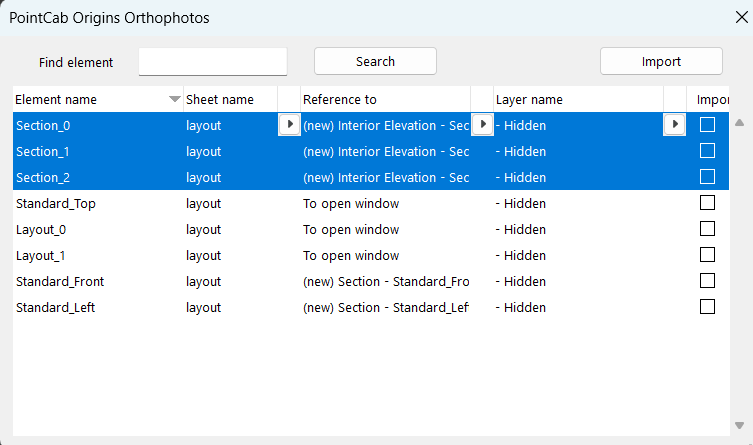
Import of Section as interior elevation

Click to enlarge the picture

What it’s for?

“Reference to” function for now with interior elevation!
Use it to create an interior elevation instead of a section or elevation.

General Improvements

Compatibility

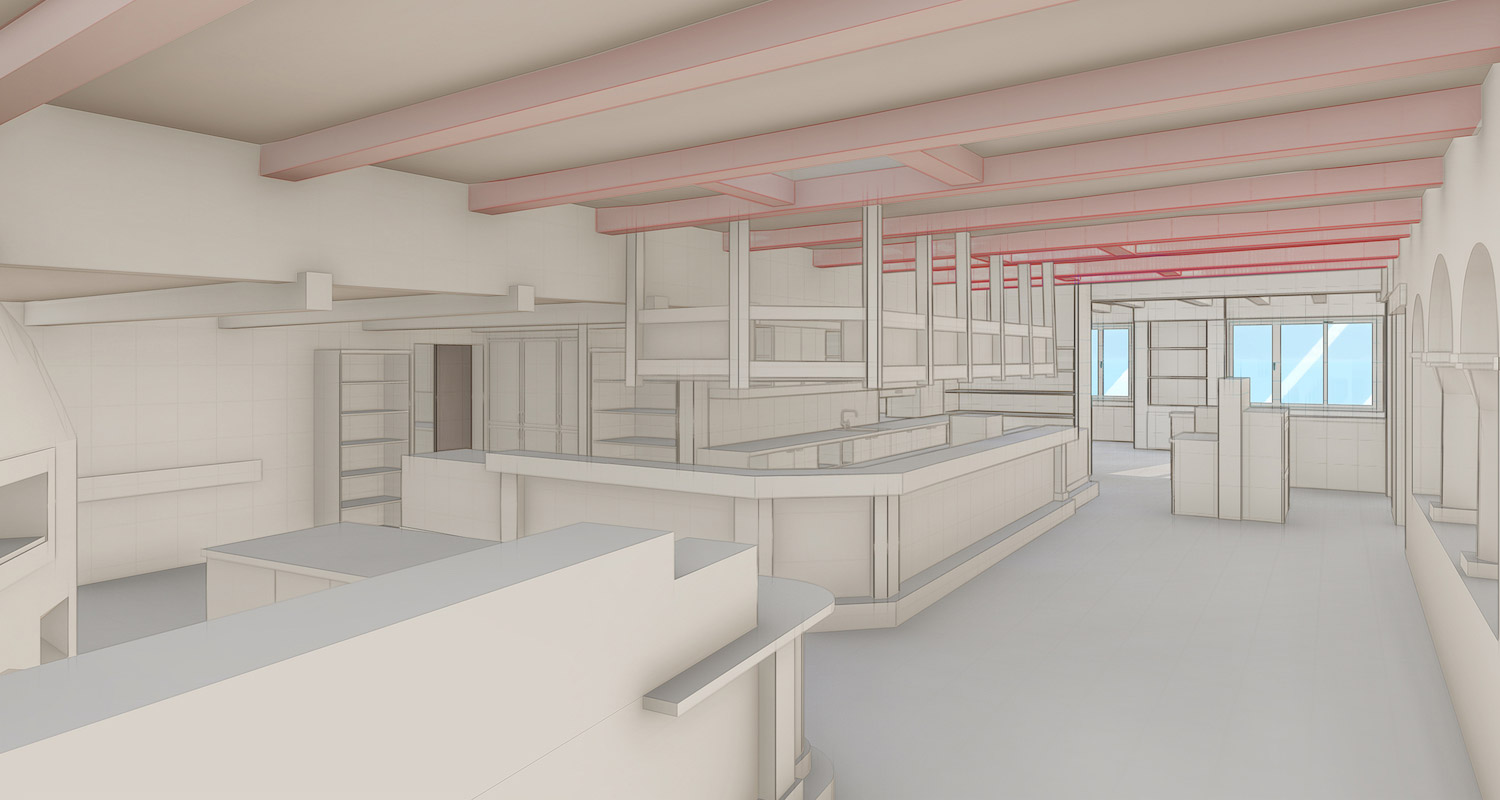
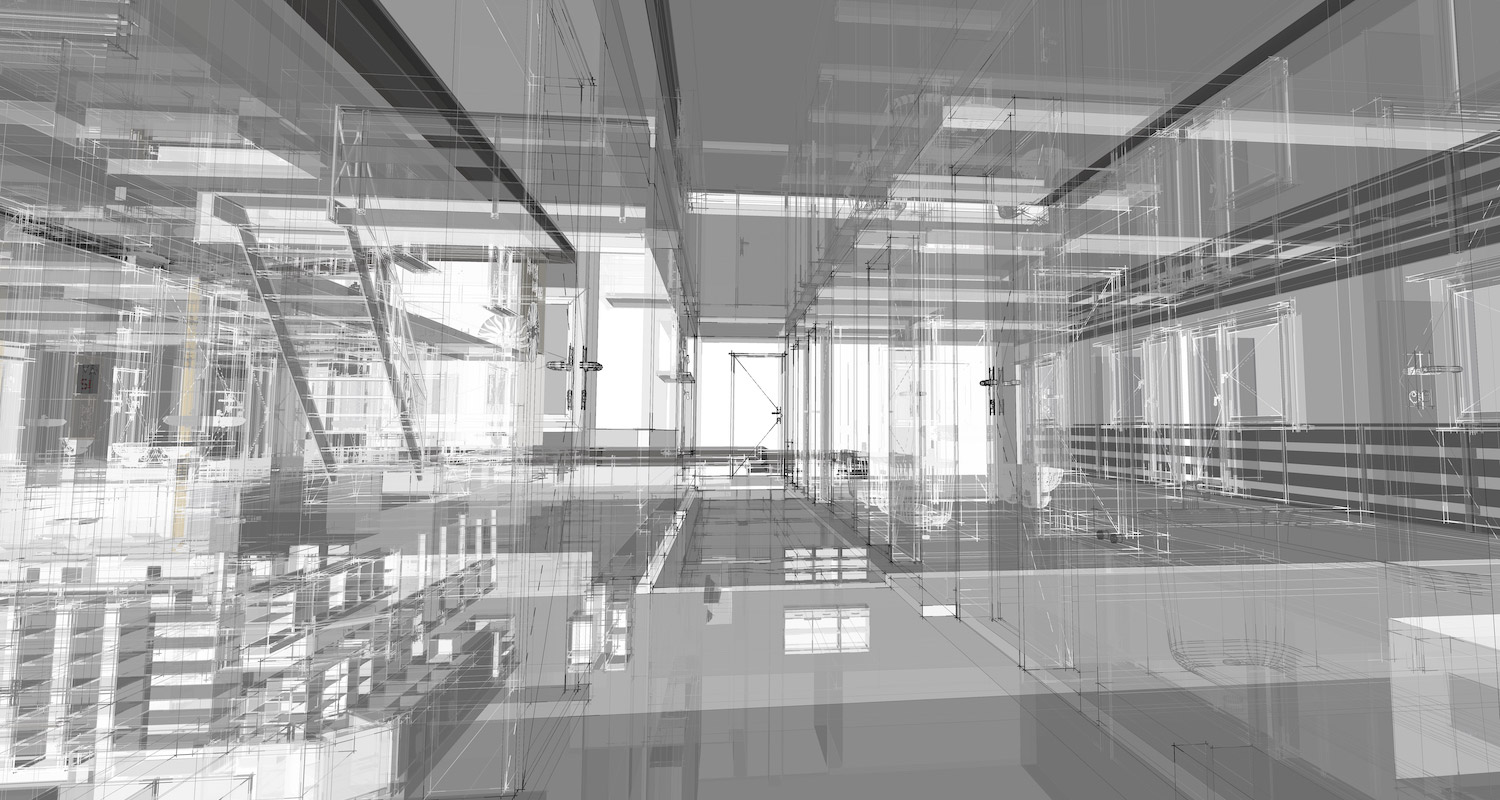
BIM model of a hotel in St. Moritz

blank

From scan to BIM on the fly – HMQ scans luxury hotel in St. Moritz

The Hotel Sonne in St. Moritz is a popular destination for skiing and Welness vacationers. To prepare the hotel for the future, HMQ AG was commissioned to generate a comprehensive 3D building model of all interior spaces and the exterior facade. The 3D point cloud data was required for further processing in Graphisoft Archicad to create a complete BIM model.

Right from the start, the project included a major challenge: the acquisition of the hotel with laser scanners from FARO had to take place during the peak winter season and also during ongoing guest operations. The entire building therefore had to be captured as quickly as possible and without major disruption to guests. In the interior, a floor area of 1,100 m² had to be surveyed, distributed over three floors and a building height of approx. 10 meters. Outside, the work was no easier. The snow lying at the time of the project, which is why vacationers primarily traveled to St. Moritz, made the scans of the facade difficult.

HMQ, however, managed all challenges and had a huge amount of point cloud data from around 500 scans after only 72 hours. HMQ has been using Archicad 21 software to create BIM models for some time. To be able to use the point cloud data for processing in Archicad, HMQ uses PointCab Origins. More specifically, use the 4BIMm plugin, which allows the point clouds to be analyzed and the information seamlessly transferred into ArchiCAD. This reduced time for HMQ and, consequently, project costs. Putting all this together, the result was a relaxed project process for everyone involved. This can only be beneficial for a vacation hotel.

The basis for this is the uniquely fast processing of the most extensive point clouds in PointCab Origins. Ease of use was the main focus when Christian Vetsch, Managing Director at HMQ together with his team decided to use PointCab Origins three years ago. The great compatibility with all scanner types and makes made the decision even easier for HMQ.

“We chose PointCab Origins because the software is easy and intuitive to use and is constantly being developed,” says Christian Vetsch. If you ask HMQ employees, they also appreciate the uncomplicated proximity to PointCab support.

WHY POINTCAB ORIGINS?

Software Speed

Even the most extensive point cloud data can be evaluated easily and quickly with PointCab Origins.

Direct workflow to ArchiCAD

The information of the evaluated point cloud data can be easily and quickly transferred to Graphisoft ArchiCAD.

Proximity to support

PointCab’s support is characterized by comprehensive expertise and individual attention.

We chose PointCab Origins because the software is easy and intuitive to use and is constantly being developed
Christian Vetsch
Managing Director HMQ AG
Dez. 2018

About HMQ AG

HMQ AG, based in the cantons of Graubünden, Zurich and Aargau, is one of the leading Swiss engineering and planning companies.
The core competencies of the engineers, planners and consultants of the HMQ Group lie in the specialist areas of surveying, construction and planning. To ensure customer satisfaction as well as to offer employees an exciting work environment, HMQ AG builds on innovation, quality and technology.
To the HMQ AG website: http://hmq.ch/

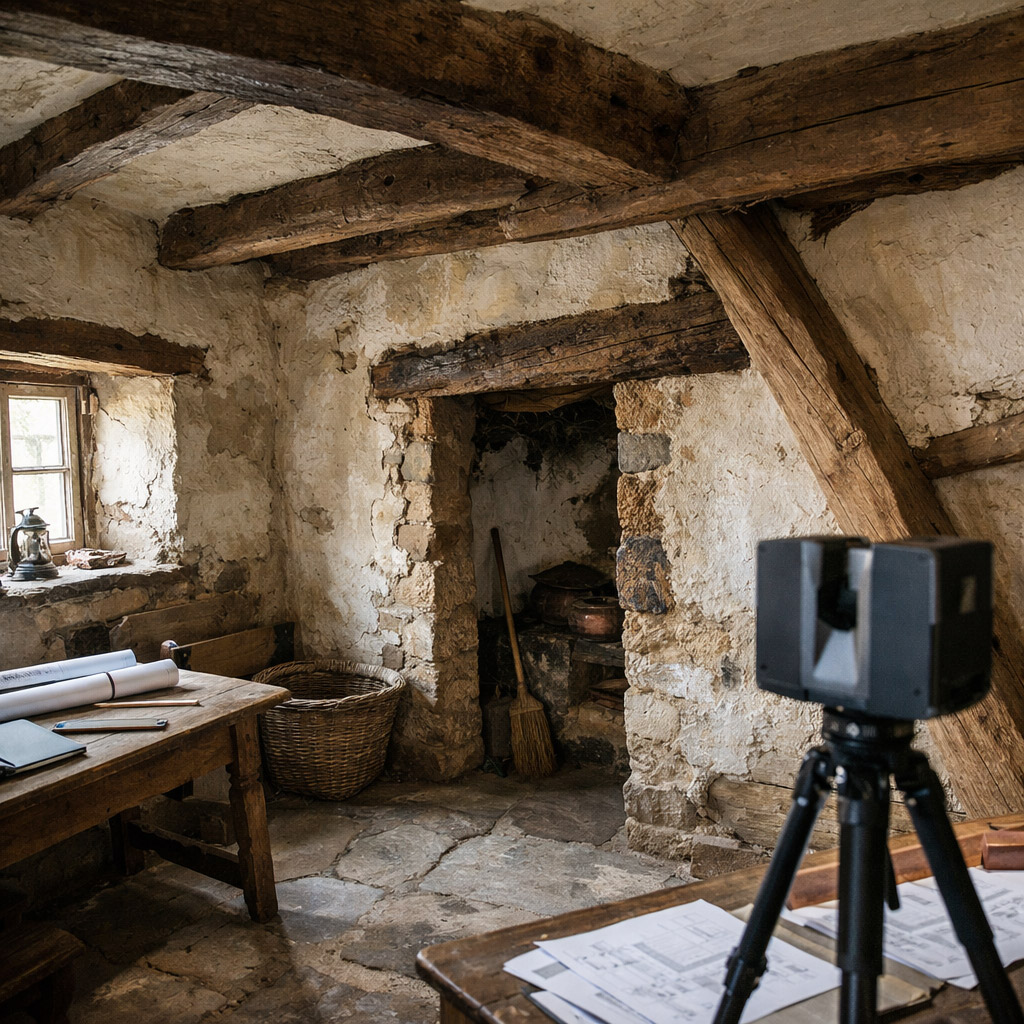
As-built documentation of an old house

As-Built Documentation of an Old House: Why a Complete 3D Laser Scan Was Essential

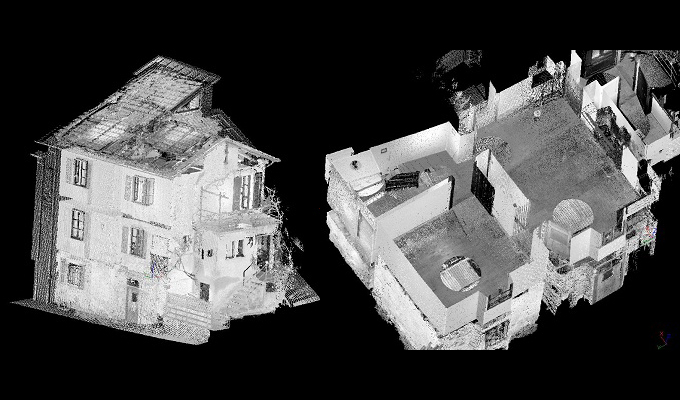
An old residential building in a village in the Swiss canton of Ticino lacked reliable, up-to-date building plans. To prepare renovation and restoration work, the engineering firm Geomatica Righitto (Lugano, Switzerland) was commissioned to do a full 3D as-built documentation.

Traditional plans were missing or outdated, and the building required precise measurements to support planning in CAD and BIM software.

Missing Plans, Irregular Geometry, and the Need for Precision

Older buildings rarely follow perfectly straight lines or standardized geometries. Over decades – or even centuries – walls may shift, floors may sag, and angles deviate from 90 degrees.

This means: assumptions based on symmetry or “standard” geometry can be highly misleading.

For renovation work, especially structural or restorative interventions, accurate data is crucial. Because no reliable plans existed for this house and its geometry was visibly irregular, a precise and complete measurement was essential, making 3D laser scanning the ideal method.

Survey: Faro Photon 120, Faro Scene, and Efficient On-Site Work

Geomatica Righitto used a FARO Photon 120 laser scanner to capture the entire building, including:

  • three façades,
  • the basement,
  • the roof,
  • and all four floors.

In total:

  • 29 scans,
  • 6 hours on site,
  • 3 survey specialists.

All scans were registered and merged in FARO Scene, ensuring correct alignment and a unified, consistent point cloud.

This point cloud became the complete digital representation of the building, including all the irregularities typical of older structures.

Point clouds are for engineers, plans for architects. PointCab Origins is the fastest connection between them.
Marzio Righitto
Engineer - Pastorelli SA
Dez. 2018

Processing the Point Cloud: Fast Extraction of Plans and Sections

Once the unified point cloud was ready, Geomatica Righitto used PointCab Origins to extract essential architectural outputs:

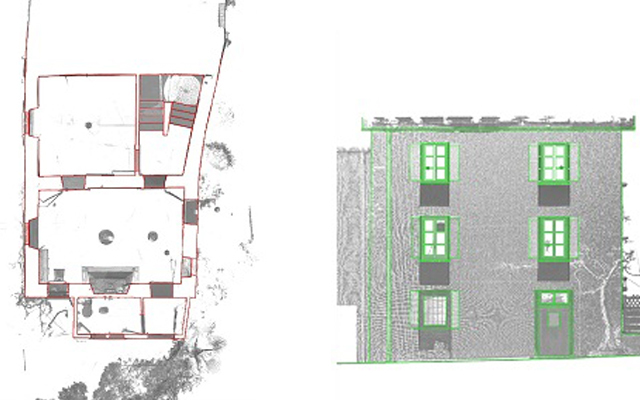
  • 4 floor plans
  • 3 façade plans
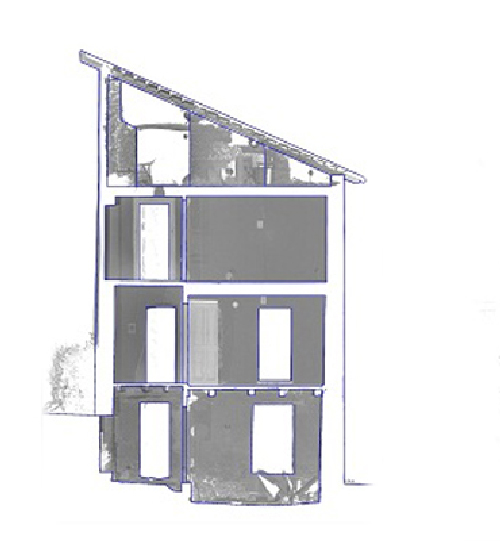
  • 20 building sections
  • Orthophotos for façades and interior walls

These automated extractions significantly reduced manual drafting work.
The final drawings — both as-built documentation and renovation plans — were delivered in a CAD/BIM-ready format for use in Archicad.

The entire processing workflow, including preparation for delivery, took about 8 hours.

What This Case Study Demonstrates

This project shows how even older buildings with irregular geometry and missing documentation can be comprehensively captured. Old buildings are rarely dimensionally perfect, but laser scanning captures reality exactly as it is, and the resulting point cloud becomes a trusted digital baseline.

The combination of FARO Photon 120, FARO Scene, and PointCab Origins enabled Geomatica Righitto to create reliable plans quickly –  giving architects and engineers the confidence they need to design renovations and restoration work effectively.

Want to keep up with the latest pointCab news?

Then follow us on Social Media or subcribe to our newsletter!

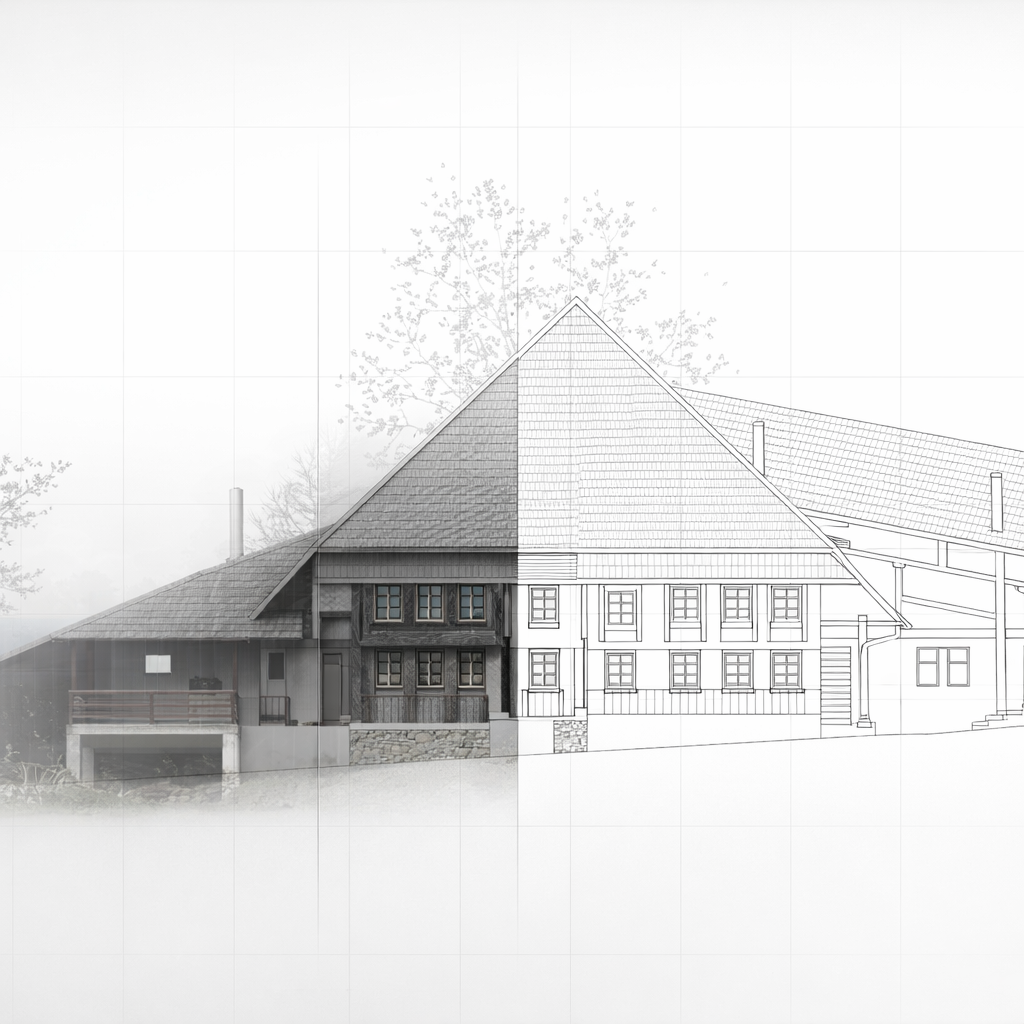
Renovation of an old farmhouse

blank

Project Overview: Precise Survey for Full Renovation Planning

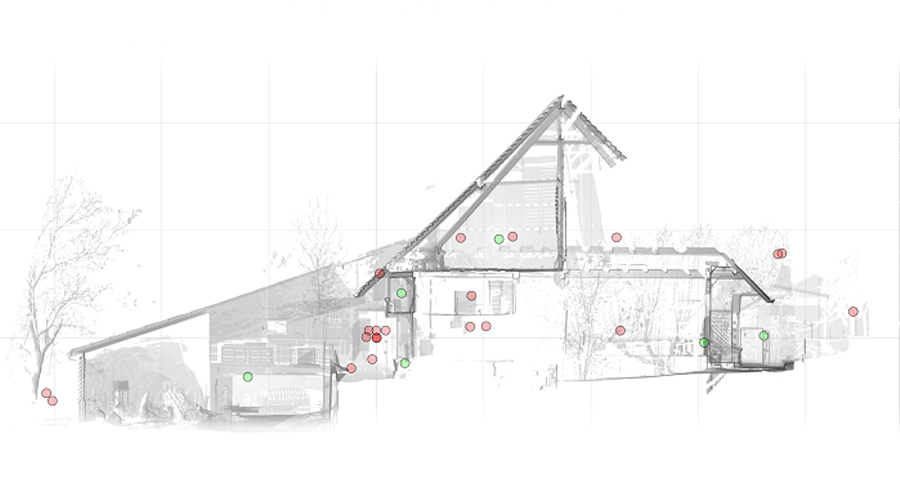
In Wattenwil near Bern (Switzerland), a historic farmhouse that had fallen out of regular use due to high maintenance costs was scheduled for full renovation and reuse as a residential building. For this project, precise as-built documentation for renovation projects was required to support planning, design decisions and cost estimation.

Since no reliable plans existed, the architectural office AAP Atelier für Architektur und Planung AG was commissioned to carry out the 3D laser scanning survey and evaluation.

Why 3D Laser Scanning Was the Optimal Survey Method

Old farmhouses often have irregular geometry owing to historical construction techniques and settling over time. Traditional measurement methods can struggle to capture such complexity efficiently, and missing or inconsistent documentation increases planning risk. In this project, 3D laser scanning provided a precise and complete dataset suitable for detailed planning in CAD.

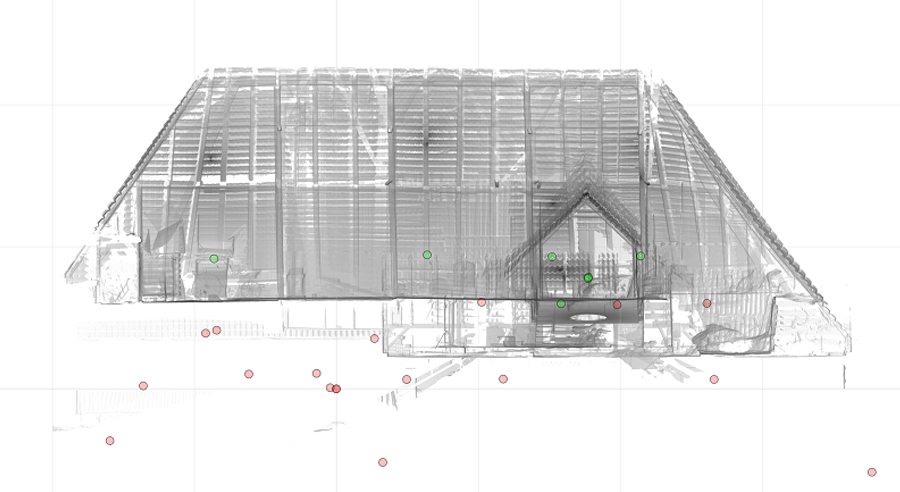
For this reason, a FARO Photon 120/20 laser scanner was used. Over two full days of on-site work, the team captured around 30 individual scans covering all important surfaces, including:

  • facades,
  • internal floor plans,
  • load-bearing structure,
  • and architectural details necessary for renovation planning.

The point cloud data was registered using reference targets to ensure spatial accuracy and full coverage of the building geometry.

We were able to easily use our FARO laser scanner data in ArchiCAD thanks to PointCab Origins.
AAP Atelier für Architektur und Planung AG
Dez. 2013

From Point Cloud to Planning Deliverables Using PointCab Origins and ArchiCAD

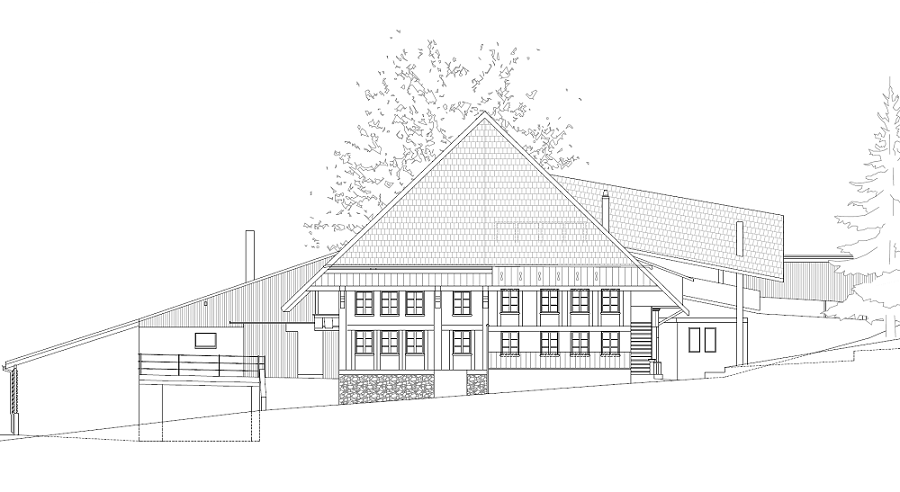
Once the raw scan data was collected, the exported point cloud was processed with PointCab Origins, enabling fast extraction of key deliverables:

Thanks to PointCab Origins’ workflow, these outputs were quickly read into the customer’s CAD system, Graphisoft ArchiCAD, where they served as the basis for further planning and material estimation. The clarity and accuracy of the extracted plans helped determine rehabilitation needs, material quantities, and cost implications early in the project.

The combination of scan capture and software evaluation significantly reduced manual drawing work and enabled planners to focus on design and implementation rather than re-measurements.

Why As-Built Documentation Is Essential for Renovation Projects

This farmhouse case demonstrates several clear advantages of using 3D laser scanning and point cloud processing for renovation:

  • Precise real-world geometry: captures every irregularity and construction detail that would otherwise be missed on paper plans.
  • Efficient workflow: rapid on-site scanning and fast post-processing deliver usable CAD data in a short timeframe.
  • Planning confidence: reliable digital data reduces risk when estimating effort and materials for big renovation decisions.
  • Seamless integration: outputs easily transfer to common CAD systems for further design and documentation.

For renovation projects of older buildings, especially those without current documentation, this approach is a strong foundation for both the design process and accurate cost planning.

Want to keep up with the latest pointCab news?

Then follow us on Social Media or subcribe to our newsletter!

Acquisition of factory halls

USER STORY

Acquisition of Factory Halls:
3D Laser Scanning for Complete Documentation

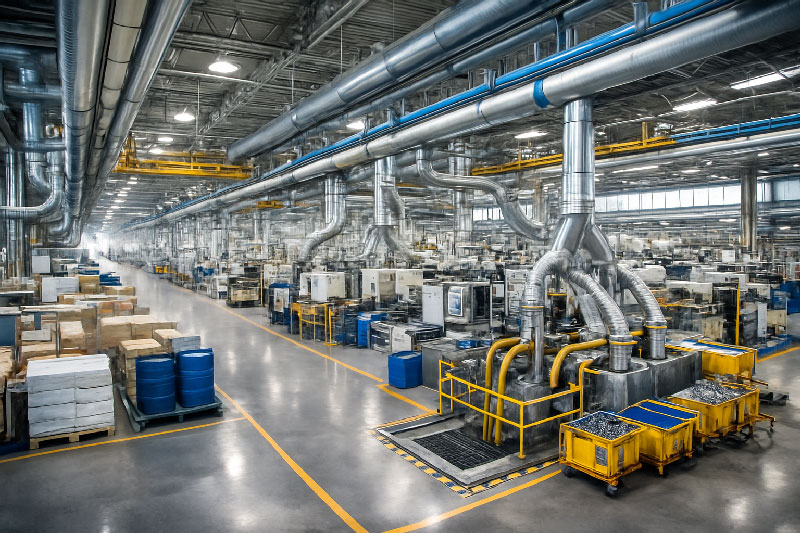
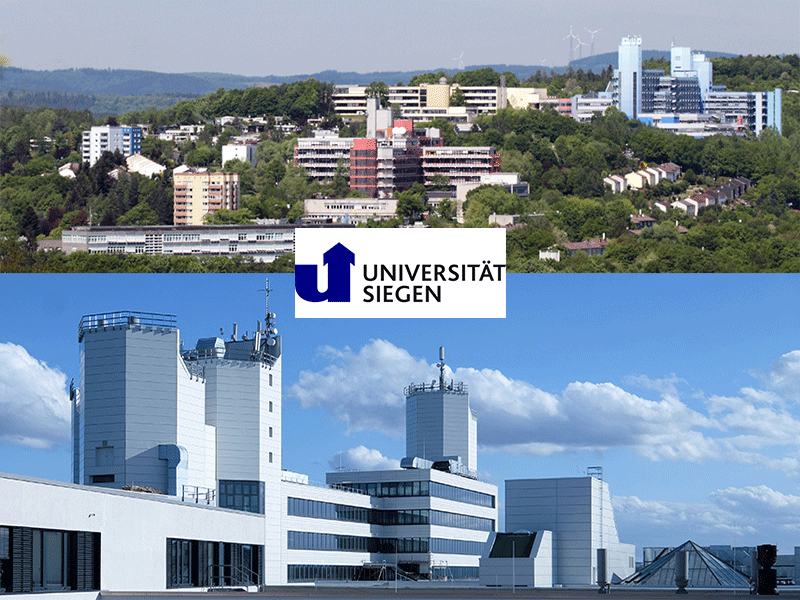
As part of a major industrial documentation project, the Interdisciplinary Competence Center for Old Buildings (InKA) of the University of Siegen carried out a full 3D laser scanning of factory halls covering approximately 10,000 m². The goal was to create reliable documentation for subsequent CAD modeling and planning in Graphisoft ArchiCAD.

Why Detailed Factory Acquisition Matters

Large factory halls and industrial plants contain extensive structural geometry as well as supply and disposal lines, machinery, and installations. Without precise as-built data, even well-intended renovation, retrofitting, or layout planning can suffer from:

  • geometry mismatches between the physical structure and the existing drawings
  • misaligned equipment due to outdated plans
  • planning delays due to manual re-measuring on-site

A modern 3D laser scan provides an accurate, coherent representation of the facility that eliminates guesswork and supports efficient engineering and design.

How the Factory Halls Were Surveyed: FARO Photon 80 and Point Cloud Capture

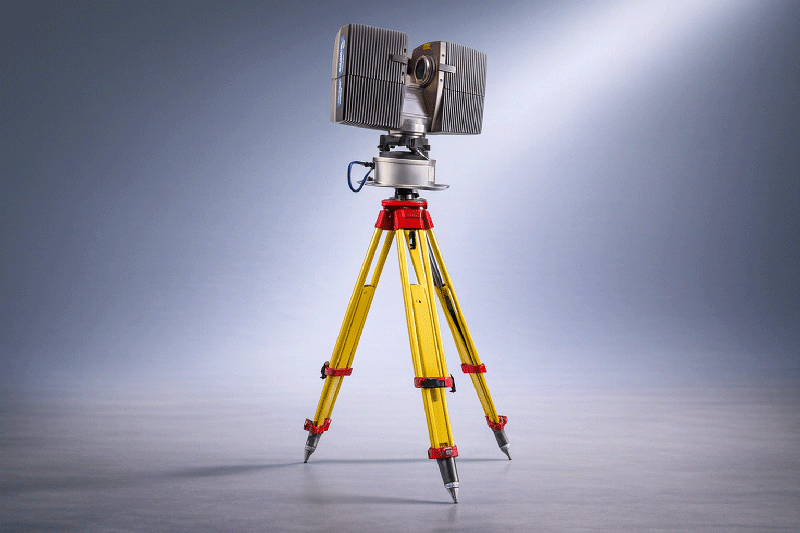
The survey covered approximately 10,000 m², using a FARO Photon 80 laser scanner. 

  • Total scans: 80
  • Total data volume: approx. 70 GB
  • Geometry captured: complete interior of the factory halls and all supply/disposal lines

This dense set of scans ensured full coverage and detailed capture of the existing infrastructure — even in areas with complex pipework or machinery.

Point Cloud Registration in FARO Scene

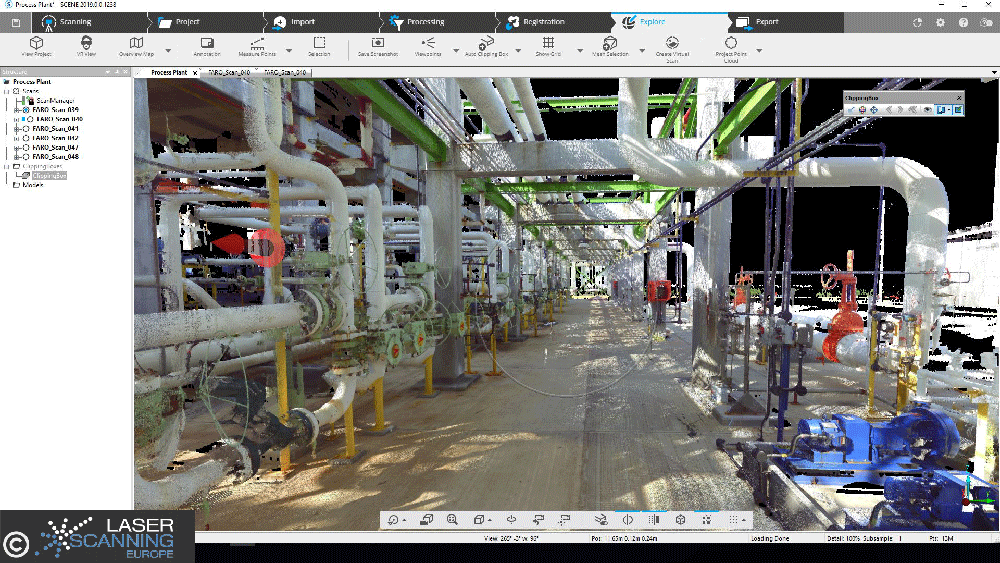
All individual scans were registered and merged using FARO Scene to produce a unified point cloud. This step ensures:

  • correct alignment across all scans
  • a single 3D dataset covering the entire facility
  • consistent coordinate referencing for export and further processing

A unified point cloud is the foundation for accurate plan extraction, CAD modeling and coordination between engineering teams.

The PointCab Origins plans can be easily processed in ArchiCAD without additional software.
University of Siegen
Jun. 2013

Deriving Accurate Plans and Sections from the Point Cloud

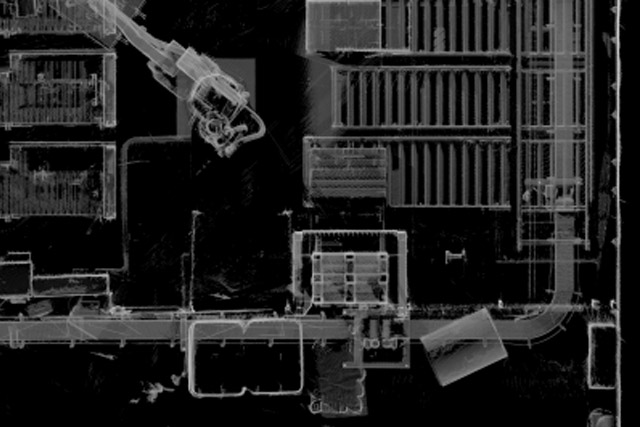
Once registered, the point cloud was evaluated in PointCab Origins. The software enabled rapid extraction of 2D plans and sections at any desired position through the point cloud. These derived outputs consisted of:

  • orthographic images scaled to real dimensions
  • tiling across multiple files to adapt the export size for different CAD systems
  • export formats readable by all major CAD/BIM platforms

PointCab Origins reduced the raw data to manageable file sizes without sacrificing accuracy, which made it possible to transfer directly into Graphisoft ArchiCAD for further modeling.

Why 3D Acquisition Is Valuable for Industrial Facilities

This case highlights the core strengths of laser scanning in industrial environments:

  • Complete coverage: Includes structural elements, machinery, and services in a single dataset.
  • High accuracy: Up to 2 mm per pixel in scaled outputs allows precise modeling.
  • Flexible export: Tiling and export options make datasets usable in virtually all CAD systems.
  • Faster workflows: Engineers and planners can start modeling directly from evaluated scans, saving time and reducing rework.

For production halls, large plants, or technical facilities, 3D laser scanning is now considered a standard method for creating trustworthy as-built documentation that supports engineering, renovation, and expansion projects.

Want to keep up with the latest pointCab news?

Then follow us on Social Media or subcribe to our newsletter!